
Bank of Korea chief says stablecoins are a job for private companies, and warns overseas crypto cards could slip past Korea's rules
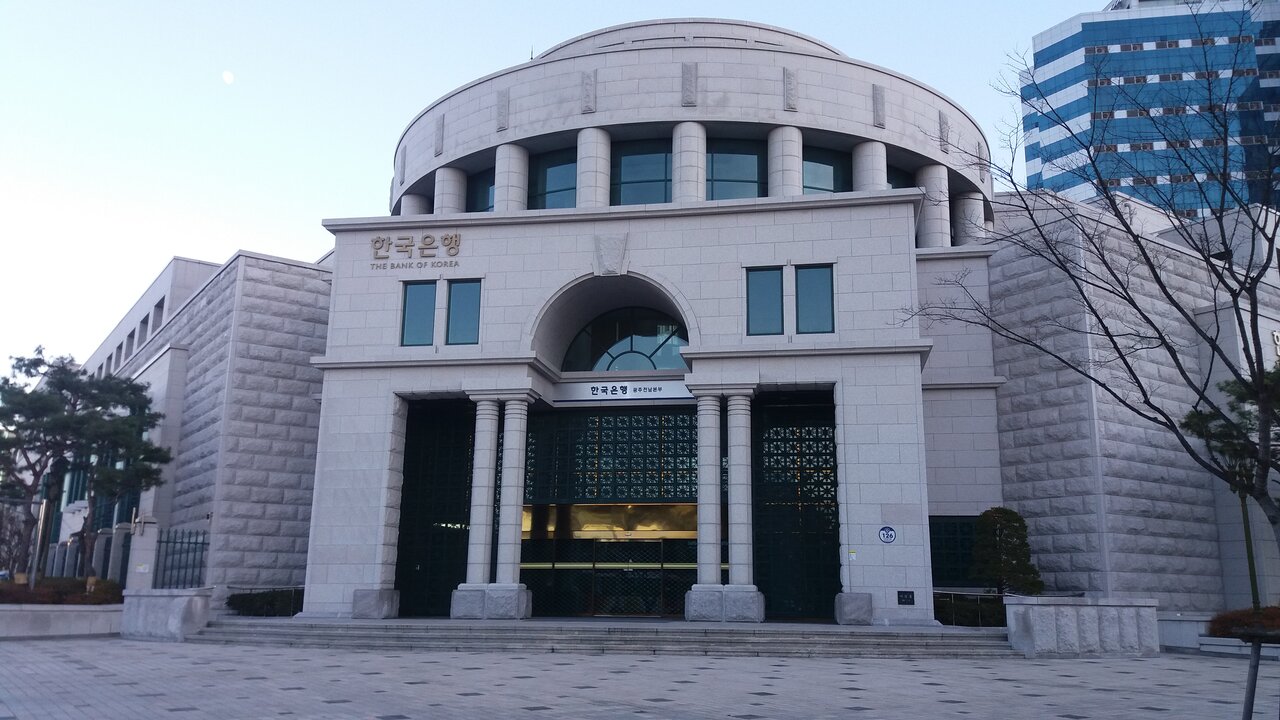
South Korea's central bank does not want to issue stablecoins. At a National Assembly audit of the Bank of Korea on Monday, Governor Hyun Song Shin said the bank would not take a direct part in stablecoin businesses, which he said should be left to the private sector, while the central bank focuses on keeping the monetary system stable.
He said the bank has not been considering a general-purpose digital currency for the public since 2023. Its Project Hangang is different: it uses digital currency for institutions and deposit tokens issued by commercial banks, which keep their customers' accounts and data. The remarks did not change South Korea's pending stablecoin legislation, crypto.news noted.
Lawmakers also pressed him on crypto cards, which let people spend bitcoin or stablecoins by converting them into ordinary money at the till. Democratic Party lawmaker Kim Nam-joon warned that the flows may not show up in official statistics, could be used to get around domestic rules and could leave users without protection if an overseas operator failed or was hacked. Shin agreed the risks exist, saying the issuers are all based overseas and rely mainly on dollar stablecoins, and that fees are generally much higher than for other payments. The bank will monitor the cards closely and consult other agencies.
This story is reporting and analysis. It is not financial, legal or tax advice.
- KrakenKraken wins full approval from Dubai's crypto regulator and will offer spot and margin trading in UAE dirhams
- Financial Stability BoardStablecoin rules are 'untested in severe stress,' the G20's financial watchdog warns, with 99% of a $300 billion market riding on the dollar
- South KoreaA South Korean bank now lends won against bitcoin, a first for the country, and a court would sell the coins if a borrower defaults
- FranceFrance moves to make crypto holders report their own wallets above €100,000, with fines of up to €10,000 for staying silent