
Beijing writes a national blockchain network into a top-level economic plan, with no mention of crypto
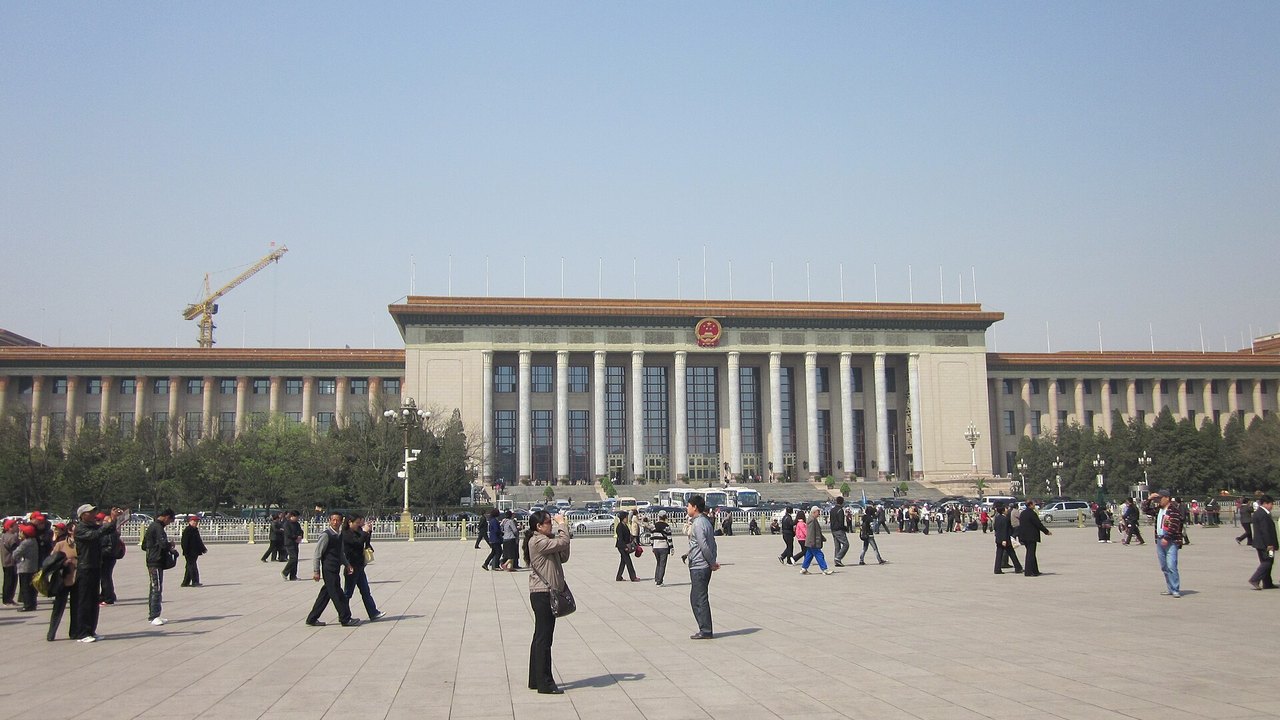
China's leadership has put a national blockchain network into one of its highest-level economic documents. An opinion on developing what Beijing calls new quality productive forces, issued by the Communist Party's Central Committee and the State Council and published by Xinhua on October 9, calls for building a unified national computing power network and a national blockchain network.
The line appears in the ninth of the document's 19 measures, which deals with merging the digital economy and the real economy. The same measure calls for clearer rules on who owns data, how it is traded and how the gains are shared, along with pilot projects that treat data as an economic resource, smart manufacturing, the industrial internet and the East Data, West Computing project. Later measures call for an open national data market and a secure way to move data across borders.
The measure names no deadline, budget or agency for the blockchain network. It lists it as something to be built.
This is state infrastructure, not an opening for crypto. The text does not mention cryptocurrencies, stablecoins or the digital yuan. The backdrop is tight control: in February the People's Bank of China, the securities regulator and other agencies extended oversight to stablecoins and tokenized assets, crypto.news reported, and the central bank's digital yuan network now has 30 banking operators.
What to watch: follow-up plans from ministries, which would show who builds the network and what it will be used for.
This story is reporting and analysis. It is not financial, legal or tax advice.
- FranceFrance's lawmakers back a tax on swapping crypto into stablecoins, then sink the budget it was riding on
- ThailandThailand opens the door to homegrown bitcoin and ether ETFs, starting October 16
- SanctionsBritain sanctions Cryptomus owner and Kyrgyz crypto firms it suspects of helping Russia dodge sanctions
- ESMAWould tokenized collateral hold up in a default? Europe's markets watchdog puts the question to clearinghouses