
Coinbase, holder of 5% of all bitcoin, tells Bitcoin's developers to start the quantum fix now because "migrations can take years"
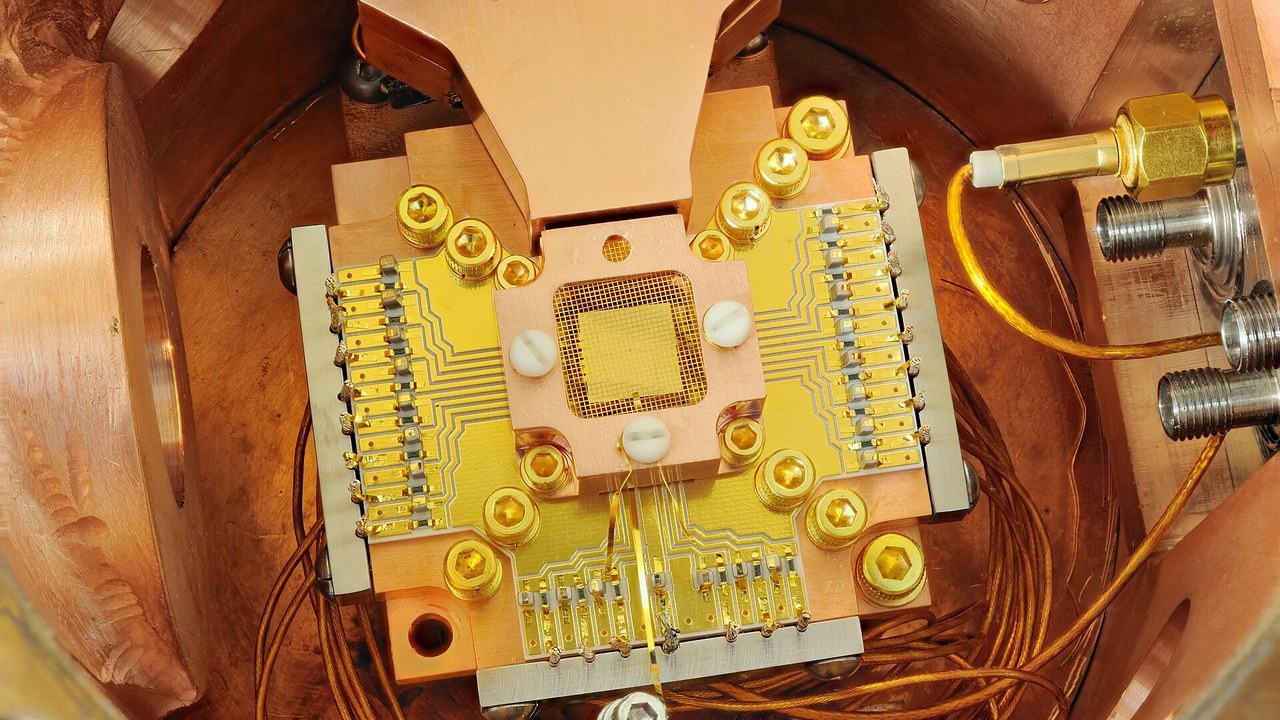
The largest custodian of bitcoin has put its weight behind an early start on Bitcoin's quantum defences. In a post on Tuesday written by Shashank Agrawal, Coinbase said it holds about 5% of all bitcoin for clients and has safeguarded digital assets for more than 13 years, and that the network should begin preparing well before anyone announces a cryptographically relevant quantum computer, because "Bitcoin consensus changes and ecosystem migrations can take years", as The Block quoted it.
The threat is well understood. Bitcoin's ECDSA and Schnorr signatures rely on maths a sufficiently large quantum computer could undo, deriving private keys from public keys and draining any wallet whose public key is exposed. No such machine exists; CoinDesk noted that some projections, including from Google researchers, put one within a few years. Bitcoin developers have been weighing post-quantum proposals since at least the spring.
Coinbase's contribution is a checklist for what a good upgrade would look like. It wants output types designed so new signature schemes can be added or swapped without redesigning the system, and points to BIP-360 (P2MR) and P2TRv2 as constructions that appear to allow that. It suggests staged protection, including a 1-of-2 arrangement where the same coins can be spent with either a classical key or a post-quantum key, so active wallets can move before the community settles a policy on legacy signatures. It warns that stateful signature schemes are error-prone and should come with a stateless alternative, and asks for at least one option that works with multi-party computation, the key-splitting method large custodians rely on. It also proposes a reproducible, Bitcoin-specific evaluation of candidate schemes measured on block space, fees and node validation cost.
The hardest question, what happens to coins in dormant or lost wallets and older address types, is left open on purpose. Coinbase calls it a governance and engineering problem that can proceed in parallel, and says any rescue method must be quantum-safe itself. The post is explicitly an input to an open discussion, not a Coinbase position; the company says it will keep convening developers and researchers and support open-source work through the Bitcoin Security Consortium.
This story is reporting and analysis. It is not financial, legal or tax advice.
- SolanaSolana's biggest upgrade gets a date: Alpenglow goes live October 21 and cuts finality from 12.8 seconds to about 150 milliseconds
- SecurityLedger says a hidden chip read recovery phrases off the screen and sent them out over a mobile network, and MediaMarkt Saturn stops selling its devices
- MiningBinance pulls the plug on its mining pool: miners have until November 10 to point their machines somewhere else
- Banks"Use cases remain unclear": Wells Fargo's CEO doubts stablecoins on earnings day, even as the bank builds for them