
The Bank of Japan warns the "singleness of money" can't be taken for granted as stablecoins spread, and calls for rules on their reserves and links to central bank money
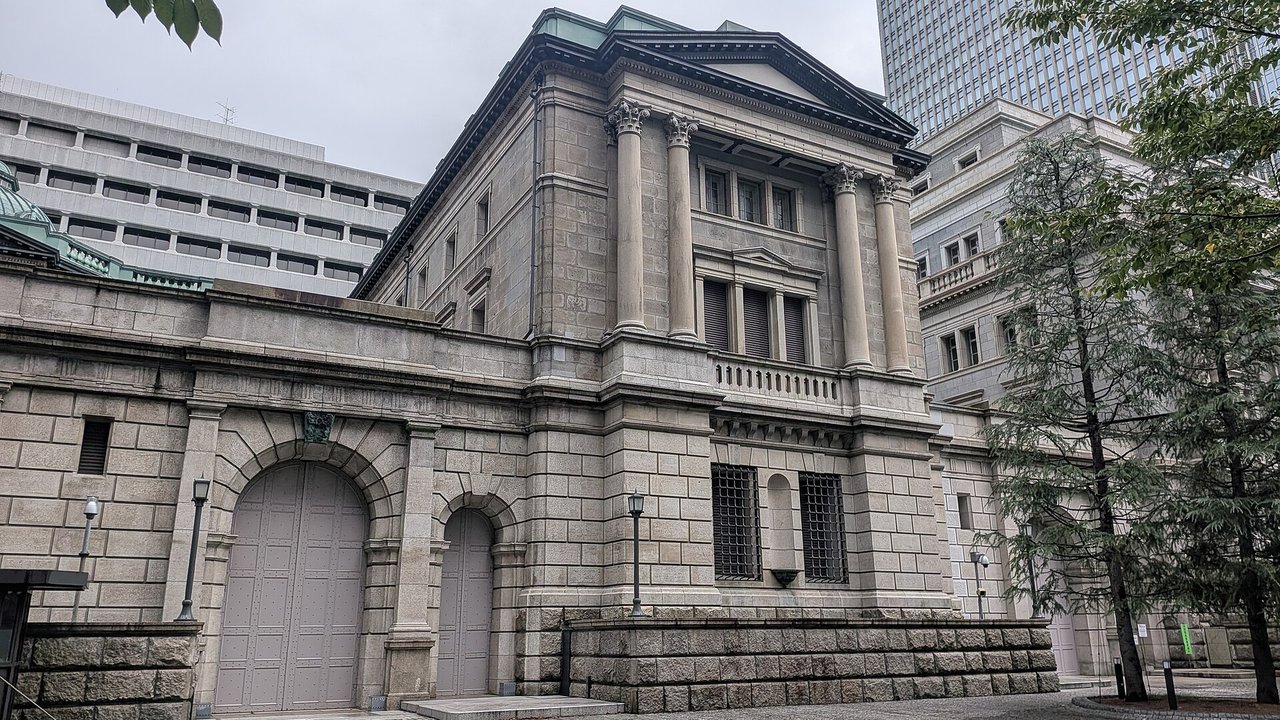
A senior Bank of Japan official has set out how the central bank thinks stablecoins should fit into the money system. In a keynote at an IMF seminar in Tokyo on Nov. 27, Executive Director Kamiyama Kazushige said appropriate regulation of stablecoin reserves and arrangements, together with well-designed links to central bank money, will be important, according to the text published by the BOJ.
His argument rests on what the Bank for International Settlements calls the singleness of money: the idea that all forms of a currency are swapped at par and settle with finality. Kamiyama said central bank money underpins that, and that it should not be taken for granted as new forms of digital money appear. "Central bank money will continue to play a fundamental role as the anchor of trust," he said. He expects stablecoins and tokenized bank deposits to coexist with other forms of money, The Block reported.
The speech described the BOJ's DLT sandbox project, which looks at cross-border payments, domestic interbank settlement and cash settlement for tokenized Japanese government bonds, and its part in Project Agorá, a BIS effort with more than 40 private financial institutions. No new rule was announced; the BOJ said it has not decided whether to issue a retail digital yen.
This story is reporting and analysis. It is not financial, legal or tax advice.
- BrazilBrazil's stock exchange and six big banks, from Itaú to Santander, plan a real-backed stablecoin to settle tokenized trades, set for early 2027
- ASEAN+3East and Southeast Asia team up on digital money as China, Japan, South Korea and ASEAN agree a joint working group on cross-border payments and digital-asset rules
- SpainSpain lets its anti-money-laundering unit freeze crypto accounts for up to five business days without a judge, starting January 25
- UkraineUkraine's parliament passes a crypto market law with 271 votes and a 5% preferential tax through 2028, and now awaits the president's signature