
Utah moves to drop its 14 criminal charges against Kalshi after the prediction market walls off the state, but keeps the right to refile
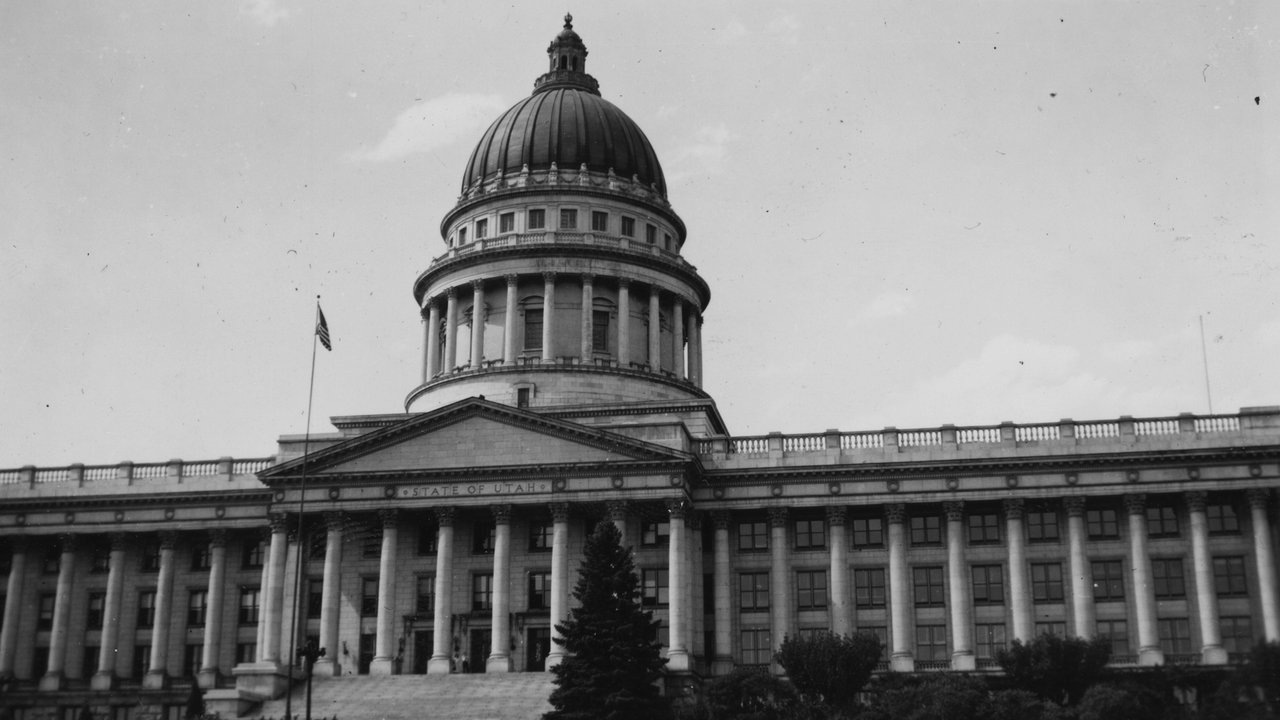
Utah is standing down from its criminal case against Kalshi, but only because the company has left the state. Attorney General Derek Brown's office said on Tuesday that it had filed a motion in Third District Court on Monday to dismiss the 14 charges it brought on October 28 against Kalshi and individual defendants. The motion is without prejudice, which means the charges can be filed again if Kalshi returns.
The move follows Kalshi's decision to pause its Utah business. The company told The Block on Monday that it had made the "difficult decision" to stop while it waits for a federal court to rule on the CFTC's request to block Utah from enforcing its gambling laws against it. In August, U.S. District Judge Robert J. Shelby ruled that federal commodities law does not override Utah's anti-gambling laws as they apply to Kalshi's event contracts.
According to the attorney general's office, Kalshi has geofenced Utah and committed to monitoring for Utah-based IP addresses, and seven companies in all have agreed to stop operating there. Utah's civil case continues. Kalshi's general counsel, Yaakov Roth, wrote on X that "good faith jurisdictional disagreements should never be criminalized." Brown's office said it will keep enforcing against other prediction-market operators.
This story is reporting and analysis. It is not financial, legal or tax advice.
- Prediction marketsNew York City Council says individual Kalshi users in the city lost about $52.5 million this year while institutions gained, and asks five platforms to testify in December
- CFTCThe CFTC replaces years of staff no-action letters with a final rule on how certain event contracts must report trader and settlement data
- CFTCCFTC staff let US futures exchanges and clearinghouses count bitcoin and ether toward their required reserves, after a haircut of at least 20%
- Prediction marketsA New York judge refuses to halt Kalshi for now and asks both sides to work out limits for 18-to-20-year-olds ahead of a January hearing