
Public vs private blockchains
A public blockchain is open for anyone to use and help run. A private blockchain is run by one organization or a group that decides who may take part.
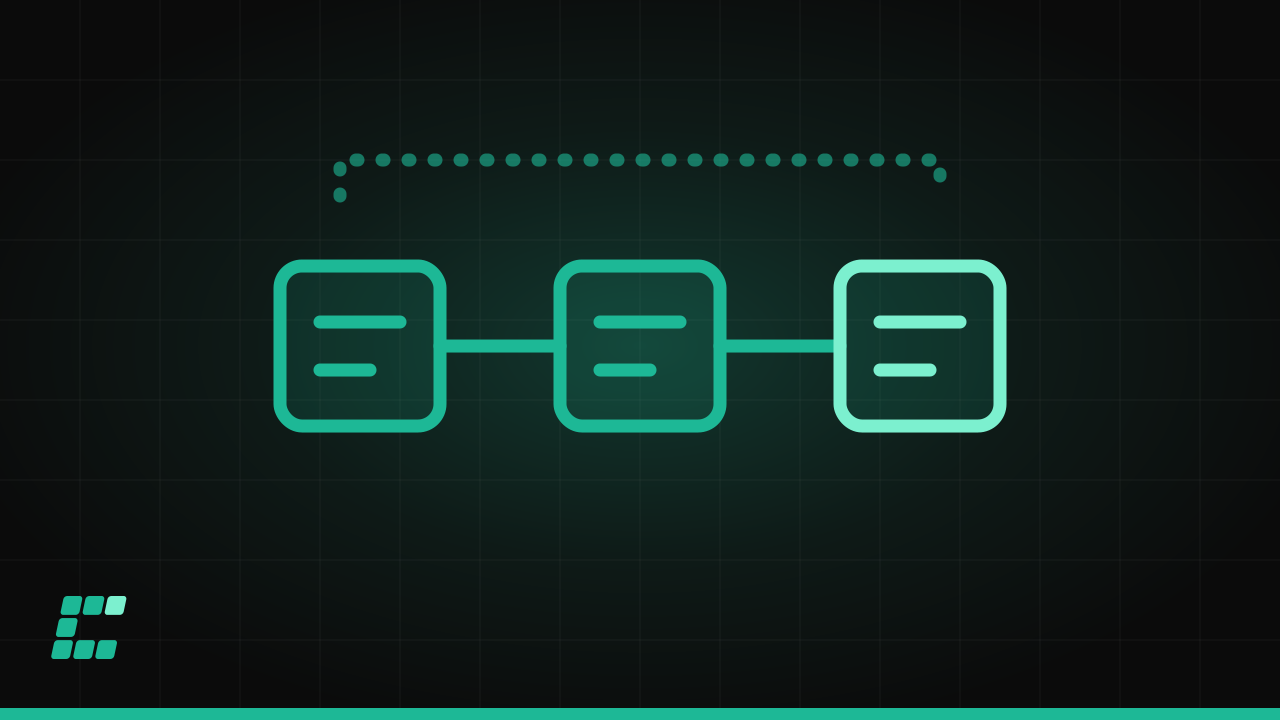
A public blockchain is open to anyone to read, use and help run. A private blockchain is controlled by one organization or a group of them, which decides who may take part. The two share a data structure but make opposite choices about access and control.
What is a public blockchain?
A public blockchain is also called permissionless, because nobody's approval is needed to join. Bitcoin and Ethereum are the main examples. Anyone can download the software, run a node, send a transaction or inspect the full history.
Because the participants are strangers, these networks rely on a consensus mechanism with built-in rewards, paid in the network's own coin, to keep everyone honest. The result is hard to censor or shut down. It is also slower, has fees that swing with demand, and puts every transaction on view, which is a problem for businesses with confidential dealings.
What is a private blockchain?
A private blockchain is permissioned. An operator vets the participants, who are identified and can be held to account. When several organizations share control, it is often called a consortium blockchain.
Since the members are known, the network can use a simpler method of agreement, such as approved members taking turns to sign blocks. It needs no coin of its own. Data can be shown only to the parties entitled to see it. These systems are a form of distributed ledger.
Where do banks use private blockchains?
Banks have mostly used them to move money between institutional clients around the clock and to settle trades in securities. Private systems suit them because they must identify customers, keep client data confidential and be able to correct errors.
JPMorgan is the most prominent example. Its blockchain unit, Kinexys, says it has offered deposit accounts to clients on a private, permissioned blockchain since 2015. Banks have also used private ledgers to issue digital versions of bonds and funds, a process called tokenization, and central banks have used them to test CBDCs.
The line is blurring. In June 2025, JPMorgan said it would pilot a dollar deposit token for institutional clients on Base, a public network built on top of Ethereum. The token itself remains permissioned, meaning only approved clients may hold it. Base is a layer 2 network.
What do critics say about each?
Supporters of public chains argue that a private blockchain is a shared database under another name. A small group of known operators could agree to rewrite the record, so its users are still trusting institutions. Several high-profile private projects have been closed after failing to attract enough members, as the guide to what blockchain is used for describes.
Supporters of private chains reply that open networks struggle to meet the privacy and compliance standards regulated firms must follow, and that congestion and fee swings make them hard to plan around.
This guide explains how things work. It is not financial, legal or tax advice. Last updated .