
What is a node?
A node is a computer that runs a blockchain's software, keeps a copy of the ledger and checks that every transaction and block follows the rules.
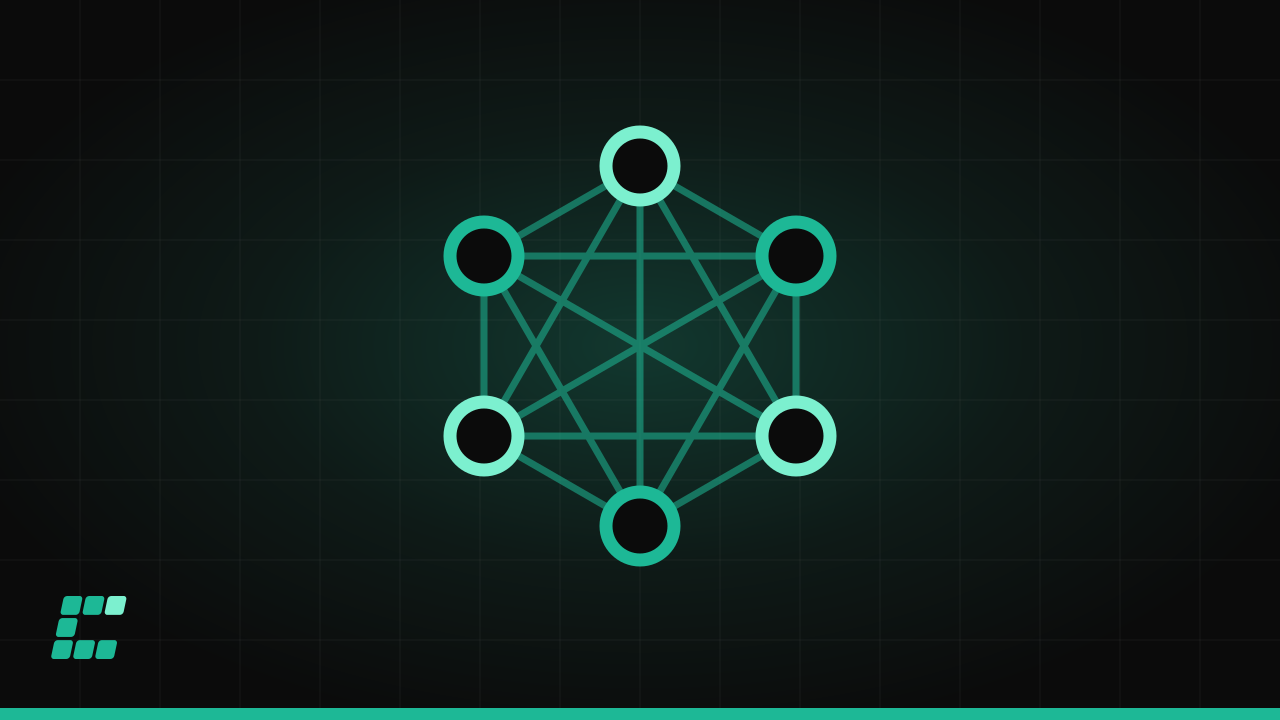
A node is a computer that runs a blockchain's software and connects to other computers doing the same. Nodes store the ledger, pass along new transactions and check that every block follows the rules.
What does a node do?
A node has three jobs:
- Relay. It receives new transactions and blocks from its neighbors and passes them on, so information spreads across the network.
- Validate. It checks each transaction and block against the network's rules. Is the signature genuine? Does the sender have the funds? Is the block correctly formed? Anything that fails is discarded.
- Store. It keeps a copy of the ledger, so the record survives as long as any node does.
Each node does its checking independently. It does not take another computer's word that a payment is valid.
What is the difference between a full node and a light node?
A full node downloads every block since the chain began and verifies all of it. That takes a large amount of disk space and a steady internet connection, though an ordinary home computer can run one for bitcoin. Some full nodes delete old data after checking it to save space.
A light node downloads only block headers, the short summaries at the top of each block, and asks full nodes for anything else it needs. Most phone wallets work this way. They are quick and small, but they depend on full nodes to tell them the truth.
Is a node the same as a miner or validator?
No. Miners and validators are the participants who produce new blocks, and they earn rewards for it. They run nodes to do so. Most nodes, though, produce no blocks and earn nothing. People run them to verify their own transactions, to support the network or to serve a business such as an exchange.
Ordinary nodes still hold real power. If a miner produced a block that broke the rules, for example by creating extra coins, nodes would reject it no matter how much computing power stood behind it. This is also why rule changes, known as forks, need node operators to go along. The guides to crypto mining and validators cover the block producers.
Why does the number of nodes matter?
The more independent copies of the ledger exist, in more countries and under more owners, the harder the network is to shut down, censor or quietly alter. This is a large part of what decentralization means.
A raw count can overstate that independence. Many nodes are rented machines in a small number of commercial data centers. Many wallets and apps do not run a node at all and instead connect through a handful of infrastructure companies, which then become points of failure. Rising hardware demands also shrink the pool of people able to run a node.
This guide explains how things work. It is not financial, legal or tax advice. Last updated .