
The Supreme Court declines to hear Custodia Bank's fight for a Federal Reserve master account, leaving the crypto bank's loss in place
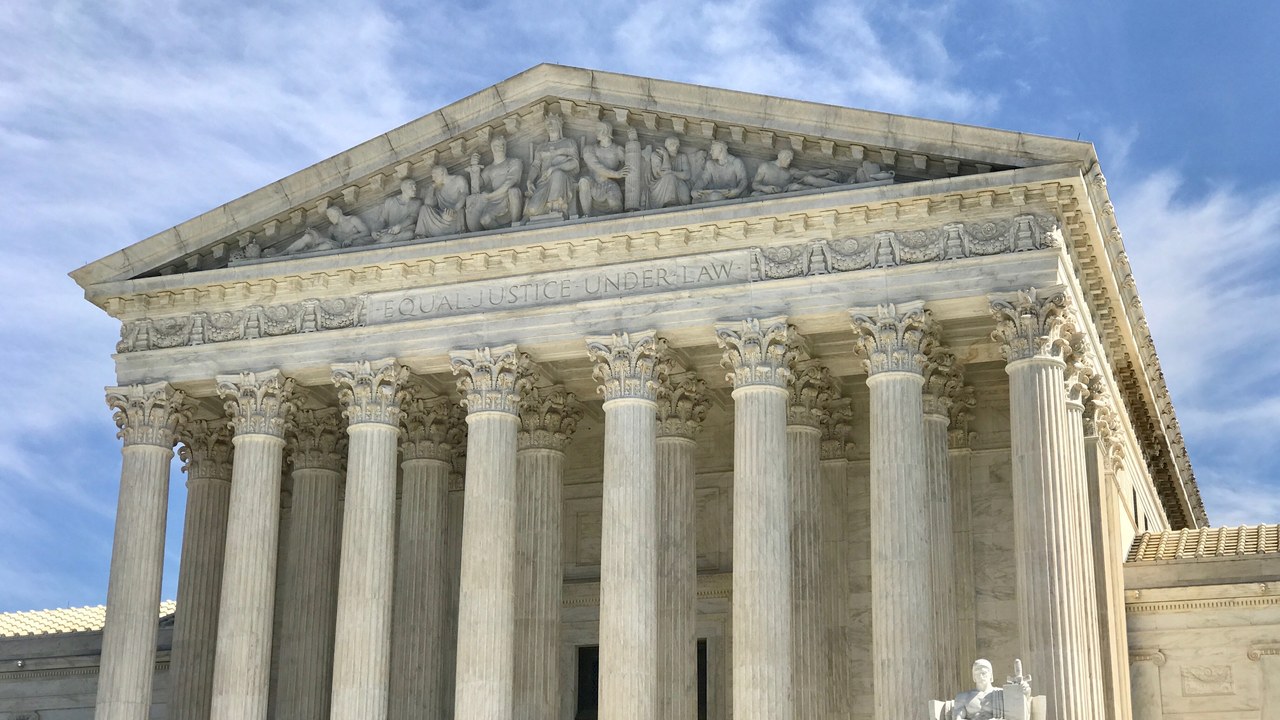
The Supreme Court has refused to take up Custodia Bank's long effort to win a Federal Reserve master account. In its November 16 order list, the court denied certiorari in Custodia Bank, Inc. v. Federal Reserve Board, No. 26-62, which ends the case without a hearing.
Custodia is a Wyoming-chartered, crypto-focused bank founded by Wall Street veteran Caitlin Long, The Block reported. It applied for a master account through the Kansas City Fed in 2020, sued in June 2022 over a processing delay, and was denied in January 2023, with the Kansas City Fed citing concerns about its crypto-related business model. In March 2026 an appeals court declined to rehear the case, leaving in place a ruling that the Fed has discretion to approve or deny master accounts for eligible institutions.
A master account gives a bank direct access to the Fed's payment systems; institutions without one often rely on partner banks. The Block said the debate has shifted to a "skinny master account," an idea first floated by Waller, under which the Fed has sought public comment on a version that would bar interest on balances and access to the discount window. The outlet also reported that Kraken's banking division became the first crypto company to obtain a master account, in March 2026. Custodia did not immediately respond to The Block's request for comment.
This story is reporting and analysis. It is not financial, legal or tax advice.
- Federal ReserveFed minutes show almost all officials see more rate hikes as likely appropriate, as Governor Waller says the Fed should weigh a half-point move in December
- GENIUS ActSix senators from both parties ask Treasury to give state-chartered stablecoin issuers the same safe harbor as federal ones before the GENIUS Act takes effect
- CFTC nomineesTrump's CFTC nominees tell senators the law should apply equally, even to companies tied to the president's family, as prediction markets dominate their hearing
- Federal ReserveFed Governor Waller says central bank money must stay the base of tokenized finance, and asks who is accountable when a blockchain fails