
Chinese fraud victims lose a key round over $5 billion in seized bitcoin, as a London judge rules China's law decides whether it is theirs
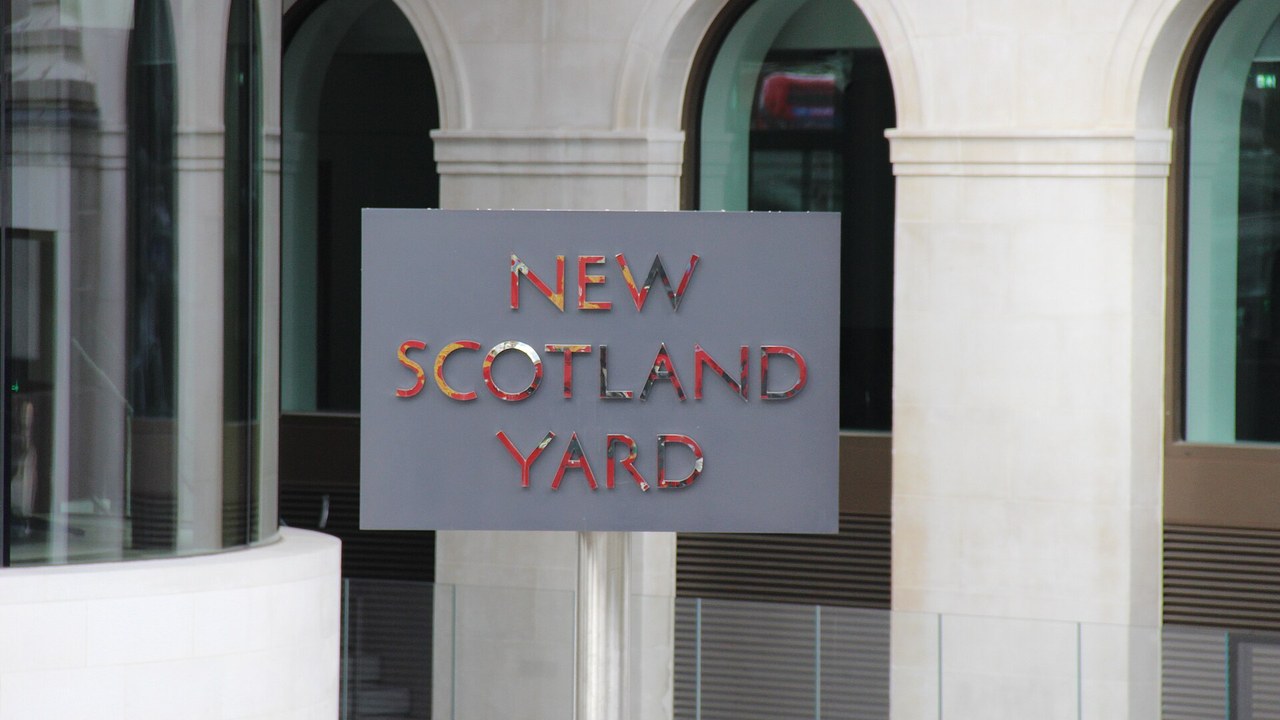
Thousands of Chinese investors trying to claim a share of the bitcoin seized in a London money-laundering case have lost an early and important argument. Mr Justice Turner ruled in the High Court on Monday that Chinese law, not English law, governs whether they have ownership rights in more than 61,000 bitcoin taken by the Metropolitan Police.
The coins were bought with money from investment schemes run in China between 2014 and 2017 through a company called Tianjin Lantian Gerui Electronic Technology. The judgment records at least 128,409 investment contracts and about 40.2 billion yuan paid in, of which about 34.1 billion yuan was paid back to some investors. Zhimin Qian, who fled China in July 2017 and reached London that September, was sentenced last November to 11 years and eight months in prison after pleading guilty to money laundering, The Block reported.
The investors applied under the Proceeds of Crime Act for declarations that the bitcoin belongs to them, and their lawyers argued for English law, or a mix of English and Chinese law. The judge sided with the Director of Public Prosecutions, pointing to the contracts and later transactions, including the purchase of the bitcoin, that were entered into in China.
The ruling does not settle who keeps the bitcoin, valued at about £3.8 billion ($5 billion). No evidence on Chinese law has been heard yet, and the Crown Prosecution Service said a further hearing will follow, Decrypt reported. Fieldfisher, the lead firm for the claimants, told the Financial Times it is pursuing an appeal. The FT reported that the decision could improve the government's chances of keeping much of the haul, according to The Block.
Correction, October 13, 2026: An earlier version of this brief quoted the judge as writing "The Applicants parted with their money in China." That sentence does not appear in the published judgment, and the quote has been replaced with a summary of his reasoning (paragraphs 138 and 140).
This story is reporting and analysis. It is not financial, legal or tax advice.
- BrazilBrazil's stock exchange and six big banks, from Itaú to Santander, plan a real-backed stablecoin to settle tokenized trades, set for early 2027
- Bank of JapanThe Bank of Japan warns the "singleness of money" can't be taken for granted as stablecoins spread, and calls for rules on their reserves and links to central bank money
- ASEAN+3East and Southeast Asia team up on digital money as China, Japan, South Korea and ASEAN agree a joint working group on cross-border payments and digital-asset rules
- SpainSpain lets its anti-money-laundering unit freeze crypto accounts for up to five business days without a judge, starting January 25