
What is the difference between a blockchain and a database?
A blockchain vs database comparison comes down to control. A database lets its owner edit records, while a blockchain is shared, append-only and hard to change.
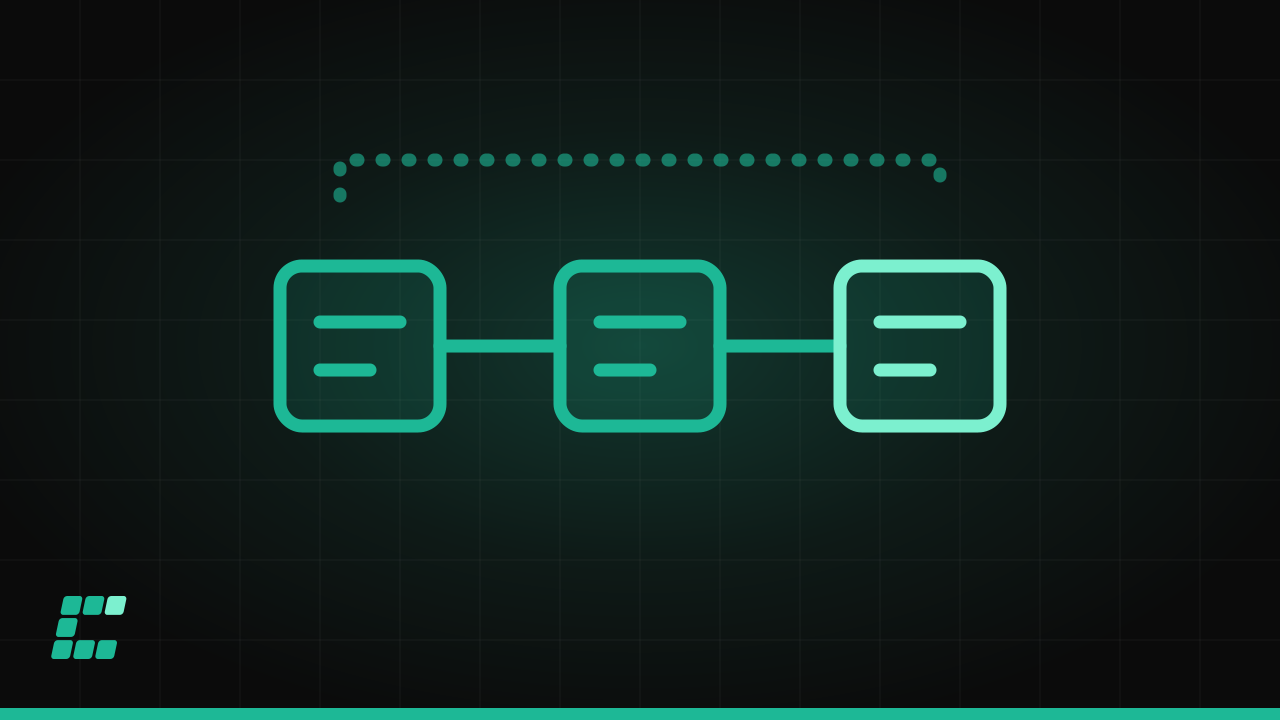
The main difference between a blockchain and a database is who controls the data and whether it can be changed. A traditional database is run by one organization that can edit or delete records at will. A blockchain is a shared record kept by many computers, where new entries are added and old ones are effectively permanent.
What is the difference between blockchain and database design?
NIST's Blockchain Technology Overview, first released as a draft in January 2018, puts it in terms of operations. Ordinary databases support four basic actions, create, read, update and delete, often shortened to CRUD. A blockchain supports only create and read. There is no process for removing original data, so the record only grows.
NIST also notes that changing data in a database is often a single simple query. Changing data already in a blockchain is much harder, because each block is mathematically linked to the ones before it. Altering one record would mean altering every later block, and other record keepers would notice the mismatch.
Blockchain vs traditional database: which is better?
Neither in general. They solve different problems. A central database is faster and simpler, and its owner can fix mistakes. A blockchain lets parties who do not know or trust each other keep one shared record without relying on a single operator. As NIST's Dylan Yaga put it, users still need trust, just not a trusted third party such as a bank.
NIST warned against adopting blockchain only because it is new, and said the technology should be used where it fits. Blockchains also place heavy demands on network resources. The guide to how blockchain works covers the mechanics, and what blockchain is used for covers where it has been tried.
Blockchain vs distributed ledger: are they the same?
Not exactly. A distributed ledger is any record copied across many computers that stay in sync. A blockchain is one type that groups entries into linked blocks. Every blockchain is a distributed ledger, but some distributed ledgers use other structures. The full comparison is in what is a distributed ledger.
NIST also separates permissionless blockchains, which anyone can read and write, from permissioned ones restricted to approved users. It compared the first to the public internet and the second to a company intranet.
Is blockchain a database?
In the broad sense, yes. A blockchain stores data that can be queried, so it is a specialized database. What sets it apart is that it is append-only, shared among many parties and usually has no single administrator.
Some database products now borrow the idea. Oracle added blockchain tables in Oracle Database 21c. They are insert-only, and each row stores a SHA2-512 hash of its contents and the previous row's hash, so tampering can be detected. Oracle points out the limit. These tables sit under one central authority and are not copied across organizations, so they offer tamper evidence without decentralization. For that distinction, see public vs private blockchains.
This guide explains how things work. It is not financial, legal or tax advice. Last updated .