
What is a Sybil attack in blockchain?
A Sybil attack is when one person runs many fake identities to gain outsized influence over a network, a vote or a crypto airdrop meant for many separate users.
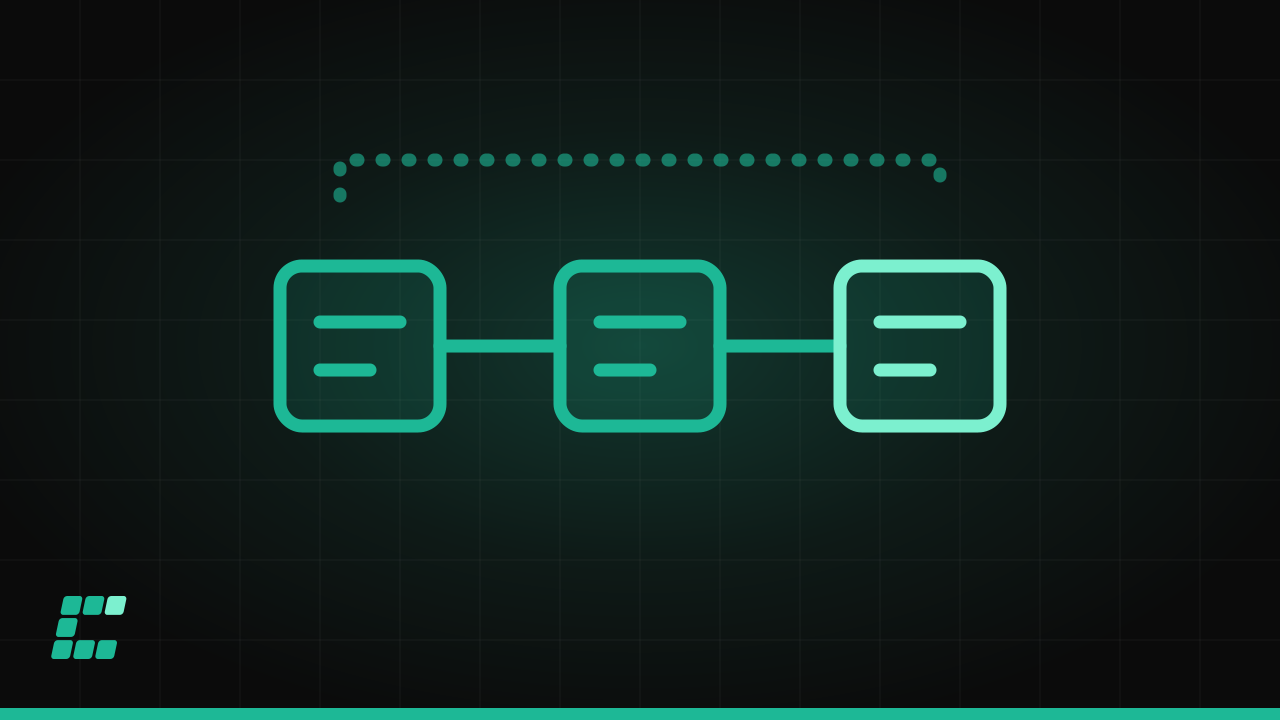
A Sybil attack is when a single person or group creates many fake identities to gain more influence than they should have. In crypto that can mean running many nodes to sway a network, or many wallets to collect extra shares of a token giveaway.
What best describes a Sybil attack?
The simplest description is one actor pretending to be many. The term comes from a 2002 paper by John Douceur at Microsoft Research. He pointed out that peer-to-peer systems rely on redundancy, meaning they assume many separate participants will catch a faulty or hostile one. That protection fails if one hostile party controls a large share of the identities.
Douceur's conclusion was stark. Without a logically central authority to certify identities, he argued, Sybil attacks are always possible except under unrealistic assumptions.
What is a Sybil attack in blockchain?
Public blockchains have no central authority checking who is who, and creating a new address or node costs almost nothing. If influence were based on headcount, anyone could fake a majority.
Ethereum.org describes proof of work and proof of stake as Sybil resistance mechanisms. Proof of work makes participants spend large amounts of energy, and proof of stake makes them put up large amounts of collateral. Splitting the same power across a thousand identities gives no extra say, so fake identities stop paying off. The broader picture is in what is a consensus mechanism. When one party does gather most of the real resource, that becomes a 51% attack instead.
What is a Sybil attack on an airdrop?
Airdrops often reward each qualifying wallet, so farmers run many wallets to multiply their share. Projects respond by hunting for clusters of addresses controlled by one person.
LayerZero is a well-known case. The Block reported in June 2024 that it worked with analytics firms Nansen and Chaos Labs, whose early analysis flagged more than 800,000 addresses as possible Sybils. Founder Bryan Pellegrino said about 1.28 million of the 6 million addresses that had used the protocol were eligible. More on that drop is in what is LayerZero.
How does Sybil resistance work outside consensus?
Some systems need to count people, not money. Gitcoin funds projects through quadratic funding, which gives weight to the number of separate donors, so fake donors can steer matching money. Gitcoin uses Passport, where users collect stamps from social accounts, onchain history and identity checks that add up to a score. It says Passport cut suspicious or flagged activity by about 60% in one funding round, while admitting some sophisticated attacks still get through.
Each approach is a trade-off. Stronger identity checks block more fakes but ask users to reveal more about themselves, which runs against the privacy many crypto users expect.
This guide explains how things work. It is not financial, legal or tax advice. Last updated .