
What is proof of authority in blockchain?
Proof of authority is a blockchain consensus method in which a small set of approved, known validators take turns producing blocks instead of miners.
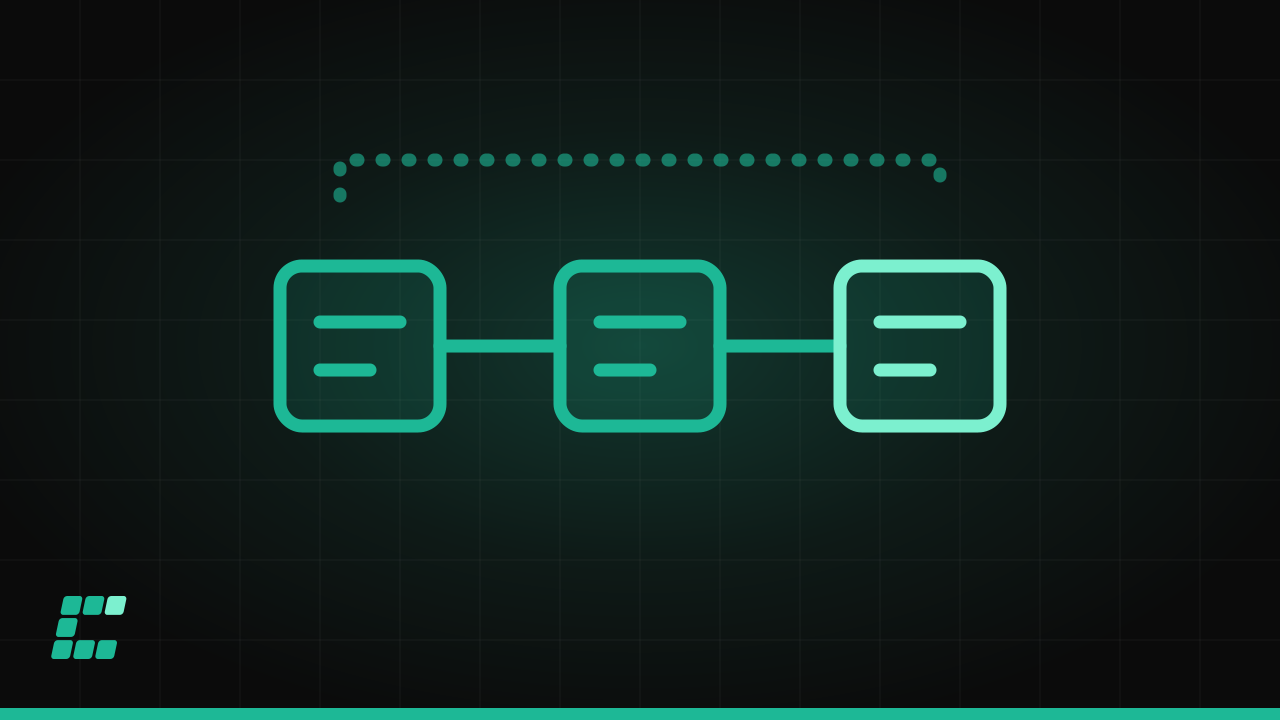
Proof of authority is a consensus mechanism in which a small group of approved validators take turns adding blocks to a blockchain. They are trusted because they are known, often through identity checks, rather than because they burn electricity or lock up coins.
How does proof of authority (PoA) work?
Ethereum.org describes PoA as a modified form of proof of stake. Signers are picked for their reputation and produce blocks in turn at a fixed interval. Existing signers vote to add or remove others.
Clique, defined in EIP-225, is the best-known Ethereum version. It was proposed after attackers exploited the Ropsten test network in early 2017, and it ran the Rinkeby testnet from April that year. Under Clique, each signer may sign at most one block in any run of just over half the signer count. A rogue signer therefore cannot produce many blocks in a row, and real harm would need a majority of the signing accounts.
Enterprise software uses related designs. The Besu client implements PoA through protocols called QBFT and IBFT 2.0, which finalize blocks immediately with no forks. Besu recommends at least four validators and needs two-thirds of them online to keep producing blocks.
Proof of stake vs proof of authority: what is the difference?
The difference is how validators earn their seat. In proof of stake, anyone with enough coins can usually become a validator, and misbehavior can cost them their deposit. In PoA, admission is by approval, and the safeguard rests on the signers being identified and having a reputation to lose.
Ethereum.org lists the trade-off plainly. PoA is cheap to run, scales well and can confirm transactions in under a second. It usually has few validators, ordinary users cannot easily join, and a group of malicious signers could still reorder blocks, double spend or censor transactions.
What are some proof of authority examples?
- Testnets and private networks. This is the main use Ethereum.org describes, along with local development chains.
- BNB Smart Chain. Its docs describe Proof of Staked Authority, a mix of delegated proof of stake and PoA similar to Clique. Holders stake BNB toward candidates, and an active set of 45 validators takes turns producing blocks.
- Arc. Circle's Arc runs a permissioned PoA set of known institutions on Malachite, a Tendermint-based engine. Its docs mention a possible move to permissioned proof of stake.
Some networks have moved away from PoA. VeChain launched with it and later switched to delegated proof of stake. Whether a small approved validator set is acceptable depends on how much the users trust the organizations behind it.
This guide explains how things work. It is not financial, legal or tax advice. Last updated .