
What is data availability in blockchain?
Data availability in blockchain is the assurance that the data behind a block was published and can be downloaded, so anyone can check it is valid.
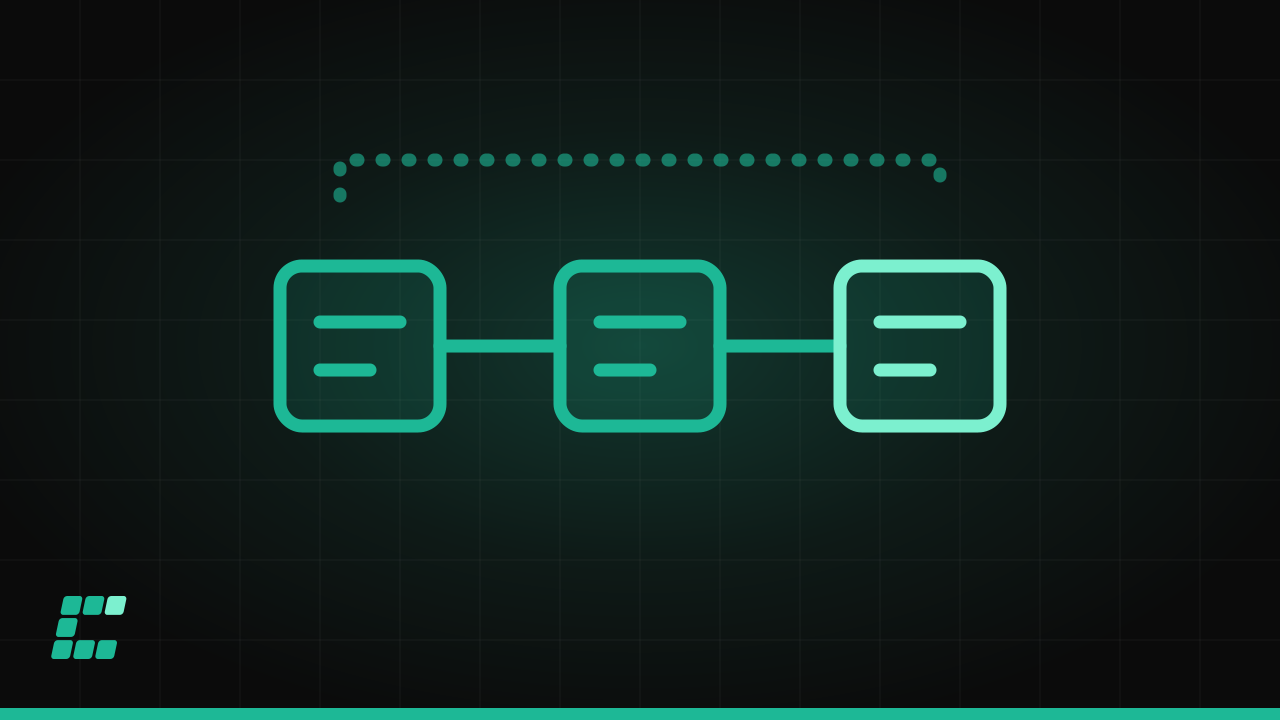
Data availability in blockchain is the confidence that all the data needed to verify a block is accessible to everyone on the network. If a block producer publishes a block header but hides the transactions inside, nobody can prove whether those transactions were valid. Data availability is the guarantee that this cannot quietly happen.
What is the data availability problem?
On a base chain like Ethereum, full nodes download every block in full and reject any block with missing data. That works, but it is heavy. ethereum.org explains that the challenge is giving lighter participants the same assurance without making them download everything.
Light nodes only follow block headers. If an attacker signs a header for a block with invalid transactions and withholds the data, full nodes cannot build a fraud proof to expose it, because they never see the transactions. A rollup faces the same issue. ethereum.org notes that an optimistic rollup's challenge window, typically about seven days, only works if challengers can read the batch data. Without it, an operator could post a false state and nobody could prove it wrong.
How does data availability sampling work?
Data availability sampling, or DAS, lets each node download a few random pieces of a block instead of the whole thing. First the data is extended with erasure coding, which adds redundant pieces so the original can be rebuilt from any half. This means hiding even a small part of the original forces about half of the extended data to go missing, which random samples quickly notice.
ethereum.org says roughly 100 successful random samples leave about a 1 in 10^30 chance of wrongly concluding the data is all there. Celestia's docs describe a two-dimensional version, where data sits in a grid and light nodes query random cells, and note that more sampling nodes allow larger blocks.
Ethereum added its own version, PeerDAS, in the Fusaka upgrade. It splits extended blob data into 128 columns, and each regular node keeps a small share. ethereum.org notes that full danksharding would later move to two-dimensional coding, as explained in our guide to sharding.
What is a data availability layer?
A data availability layer is a network whose main job is publishing data for other chains. Rollups can post their data to Ethereum blobs, or to a separate layer such as Celestia or EigenDA. The EigenDA docs describe operators who restake ETH through EigenLayer, each storing a slice of every blob and attesting that it is available. An outside layer adds that network's own security assumptions.
Some systems, called validiums, use a data availability committee, a set of trusted parties that promise to keep the data and publish it if a dispute arises.
Is data availability the same as data storage?
No. ethereum.org draws a line between availability and retrievability. Availability means the data could be downloaded and checked when the block was produced. It does not mean the data is kept forever. Ethereum blob data, for example, is only guaranteed for about 18 days. Keeping older history is left to archive nodes and other storage services.
This guide explains how things work. It is not financial, legal or tax advice. Last updated .