
What is DePIN in crypto?
DePIN in crypto means decentralized physical infrastructure networks, where people supply hardware like hotspots, GPUs or dashcams and earn tokens for it.
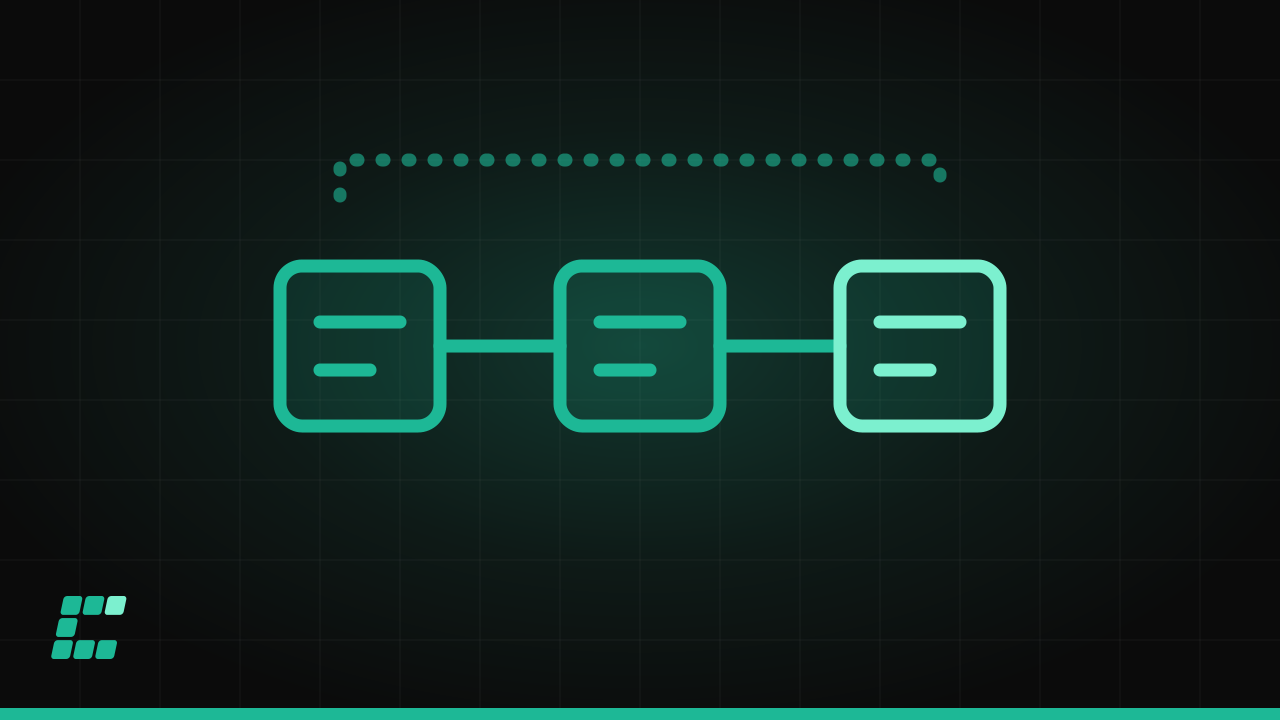
DePIN in crypto stands for decentralized physical infrastructure networks. Instead of one company building cell towers, data centers or mapping fleets, a DePIN pays many individuals in crypto tokens to supply the hardware and services themselves. A blockchain tracks who contributed what and handles the rewards.
What is DePIN in crypto?
DePIN describes a model, not a single blockchain. The Block's 2025 DePIN report describes these networks as using token incentives and open participation to reduce reliance on centralized companies. Common categories include compute, storage, connectivity and sensors, and Messari's 2025 research also tracks energy and bandwidth networks.
Each network faces the same starting problem. Customers will not pay until the network is big enough, and it will not get big without customers. Token rewards are meant to pay early contributors before real demand arrives.
How does DePIN mining work?
People often call contributing to a DePIN "mining," though it is different from bitcoin mining. Contributors buy or run approved hardware and earn tokens for useful work.
Helium is the classic example, covered in what is Helium crypto. Its documentation says hotspot operators earn HNT for providing and maintaining coverage. Customers pay with Data Credits, a dollar-pegged unit that can only be created by burning HNT. Helium calls this a burn-and-mint equilibrium, meant to link the token's supply to actual network use.
Hivemapper works on the same idea for maps. According to its docs, drivers capture street imagery with dashcams and earn its HONEY token on Solana, which can be exchanged for map data.
What are some DePIN projects?
Several networks covered elsewhere on this site fit the DePIN model:
- Storage. Filecoin pays storage providers to keep data. The Block names it, with Helium, as one of the first DePINs.
- Compute. Akash Network and Render run marketplaces for servers and GPUs.
- Wireless. Helium rewards hotspot owners for coverage.
- Sensors and mapping. Hivemapper collects street imagery, and Messari also tracks GEODNET.
Listing them here is not a ranking or an endorsement.
Do DePIN networks make money?
Some earn real fees, but tokens and revenue have often moved in opposite directions. Cointelegraph, reporting on Messari's State of DePIN 2025, said DePIN networks earned about $72 million in onchain revenue in 2025 and raised about $1 billion in funding. Over the same period, tokens from the 2018 to 2022 wave were down 94% to 99% from their all-time highs. Helium's token fell 77% over 2025 even as its onchain revenue rose roughly eightfold.
Messari separated networks earning money from real usage from earlier ones that relied mostly on token subsidies. Rewards paid in a token are only worth what that token trades for, and hardware costs are paid up front, so contributor earnings can swing widely.
This guide explains how things work. It is not financial, legal or tax advice. Last updated .