
What is a sidechain in crypto?
A sidechain is a separate blockchain with its own validators and rules, linked to a main chain by a two-way bridge so assets can move between them.
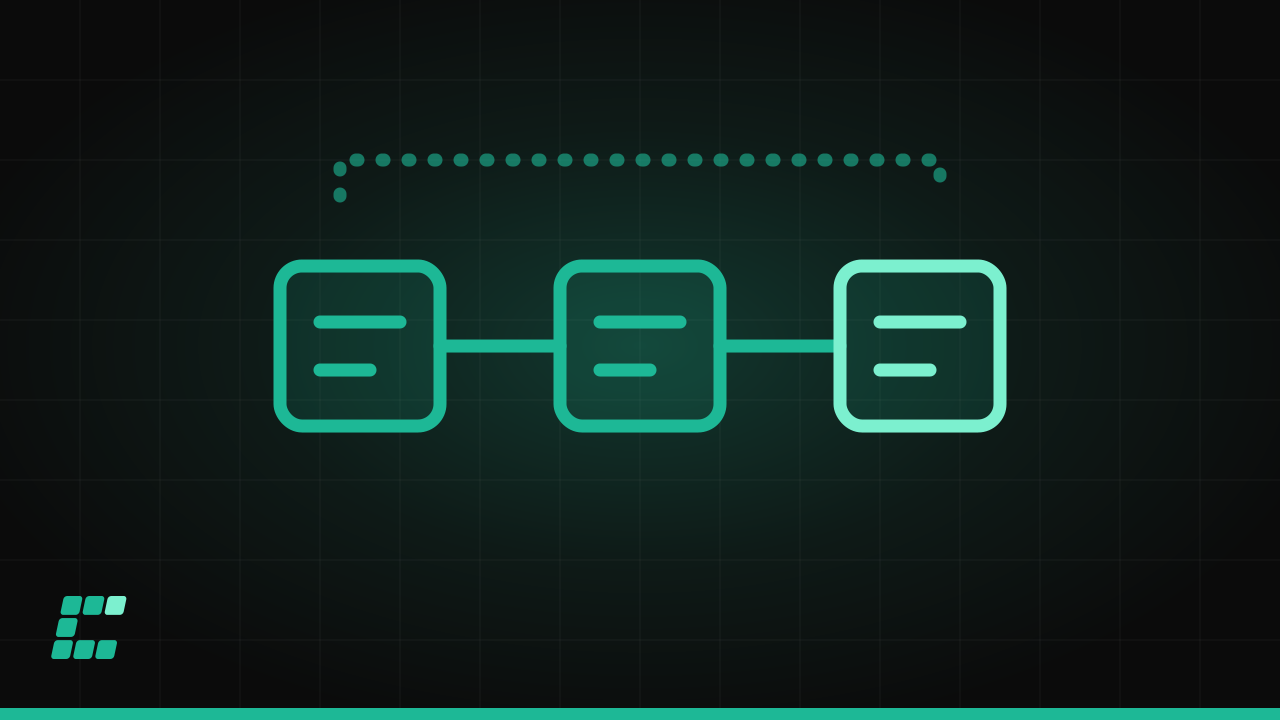
A sidechain is a separate blockchain that runs alongside a main chain and is linked to it by a two-way bridge, so assets can move back and forth. It sets its own rules, such as block times and fees, and relies on its own validators for security. Sidechains are used to add features or speed that the main chain does not offer.
What does a sidechain do?
A sidechain gives users a place to do things the main chain is too slow, too expensive or too limited to handle. Because it chooses its own design, it can produce blocks faster, charge lower fees or add features such as smart contracts or private transaction amounts.
The idea was set out in an October 2014 paper from Blockstream, a company formed that year by Adam Back, Greg Maxwell and other bitcoin developers. The paper described a two-way peg. A user locks coins on the main chain, and an equal value is unlocked on the sidechain. Going back reverses the steps.
On Ethereum, ethereum.org explains that sidechains usually run consensus systems such as proof of authority or delegated proof of stake. Many are compatible with Ethereum's software, so apps can be moved over with few changes. Examples it lists include Polygon PoS, Gnosis Chain and Skale.
What is a bitcoin sidechain?
A bitcoin sidechain lets people use the value of their bitcoin on a different chain. Two well-known examples work differently.
- Liquid. Its docs say a federation of 15 known organizations, such as exchanges, signs blocks about once a minute and manages the peg, with 11 of 15 needed to agree. After 102 bitcoin confirmations, deposited BTC can be claimed as L-BTC. Transaction amounts are hidden by default.
- Rootstock. It runs smart contracts and is merge-mined, meaning bitcoin miners can secure it at the same time as bitcoin. Its PowPeg bridge locks BTC and issues rBTC one for one. The docs say signing currently needs 5 of 9 members holding keys in secure hardware.
In both cases, the bridge depends on a group of signers. That is a trust trade-off, similar to the custody question discussed in the guide to wrapped bitcoin.
What is the difference between a sidechain and a layer 2?
The main difference is where security comes from. As ethereum.org puts it, sidechains do not post their state changes and transaction data back to Ethereum. A layer 2, such as a rollup, does record its results on the main chain and borrows its security.
So if a sidechain's validators collude or fail, the main chain cannot step in to protect users. Ethereum.org notes that a colluding group of validators could commit fraud. Sidechains also depend on bridges, which have been frequent targets of hacks.
In return, sidechains offer flexibility. They can try new features without changing the main chain, and a problem on one sidechain does not break the main chain itself.
This guide explains how things work. It is not financial, legal or tax advice. Last updated .