
What is delegated proof of stake (DPoS)?
Delegated proof of stake is a consensus system where token holders vote to elect a small group of block producers who validate transactions for them.
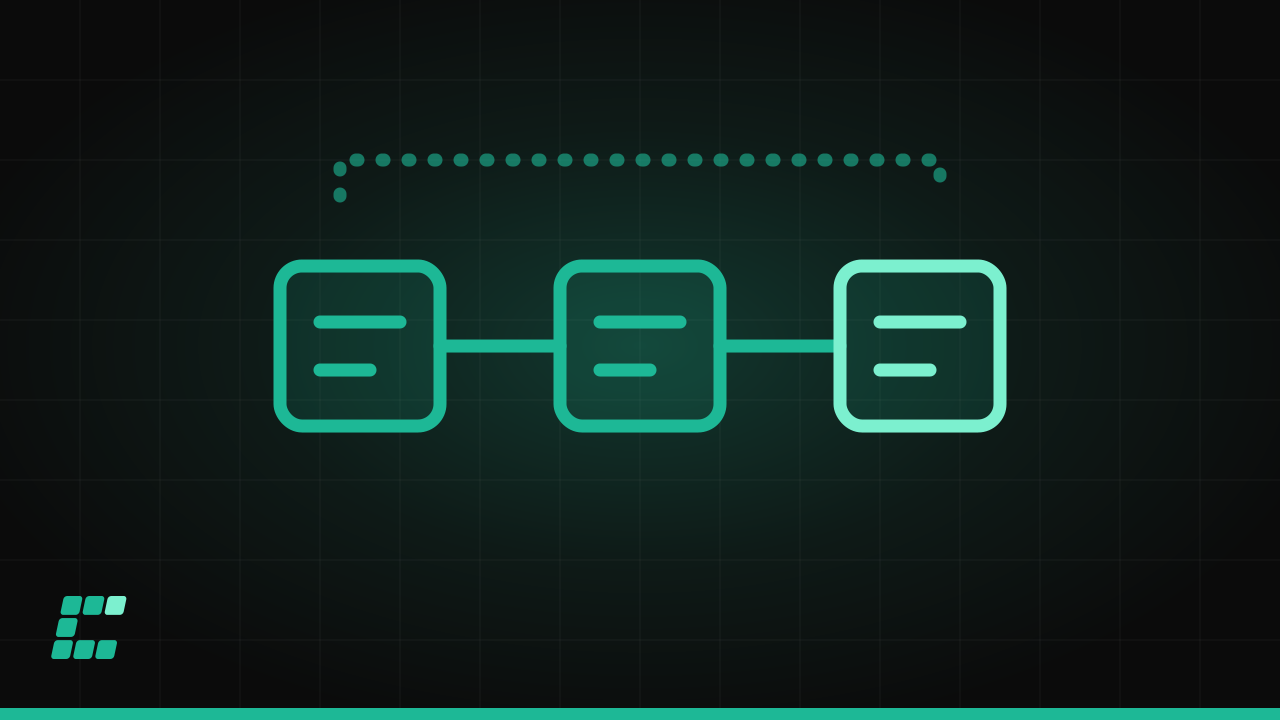
Delegated proof of stake, or DPoS, is a way for a blockchain to agree on new blocks in which token holders elect a small group of representatives to do the work. Those elected producers take turns creating blocks, and voters can replace them if they perform badly. It is one of the variations described in the guide to consensus mechanisms.
How does delegated proof of stake work?
The process has two steps: voting and block production.
First, holders use their tokens as votes. The more tokens behind a vote, the more weight it carries. Candidates with the most votes become the active set of block producers. The BitShares documentation, one of the earliest DPoS systems, calls them witnesses and says votes are recounted at regular intervals.
Second, the elected producers take turns signing blocks in a set order. BitShares notes that a producer who misses its turn tends to lose votes over time and can be pushed out. Producers earn rewards, and many share part of them with the people who voted for them.
ForkLog credits developer Dan Larimer with creating DPoS in 2014. It was later used by BitShares, Steem, Lisk, Ark and EOS.
Which blockchain uses delegated proof of stake?
Several large networks use it, as of October 2026:
- TRON. Its developer docs say holders stake TRX to get voting power, called TRON Power. The top 27 candidates become Super Representatives who produce blocks, and rankings are updated every six hours. Candidates ranked 28 to 127 share voter rewards but do not produce blocks. See what TRON is.
- Vaulta, formerly EOS. Its docs say 21 producers are active at a time, with standby producers ready to take over. Each holder can vote for up to 30 producers, weighted by staked tokens. See the guide to EOS.
Ethereum.org also lists DPoS among the systems some sidechains use.
What is the difference between delegated proof of stake and proof of stake?
In standard proof of stake, anyone who meets the requirements can lock up coins and become a validator, so the validator set can be very large. In DPoS, holders delegate that role to a small, elected group. ForkLog compares the first to direct democracy and the second to representative democracy.
The trade-off is speed against spread of power. A short list of known producers can agree quickly, which helps networks handle many transactions. But a small group is easier to pressure or to collude, a point the consensus guide also makes.
Voting has its own weaknesses. ForkLog notes that most holders have too few tokens to bother voting, large holders can keep re-electing the same producers, and vote buying is a risk. It cites a 2019 EOS vote that drew turnout of just 1.7%. Producers are also often public companies, which makes them easier targets for attacks or outside pressure.
Like other staking systems, DPoS may require tokens to be locked for a period before they can be moved. Details differ by network and can change through governance.
This guide explains how things work. It is not financial, legal or tax advice. Last updated .