
What is a sequencer in crypto?
A sequencer in crypto is the operator that orders transactions on a layer 2 rollup, gives fast confirmations and posts batches to Ethereum.
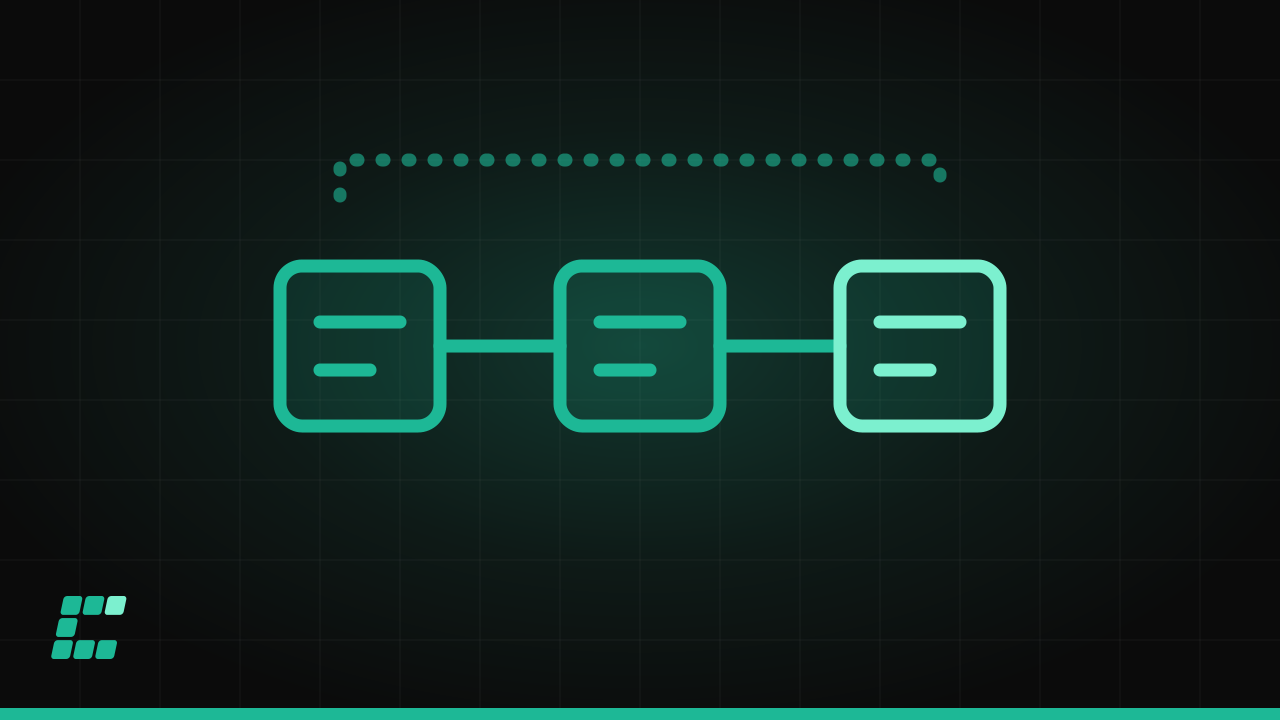
A sequencer in crypto is the component of a layer 2 network that collects user transactions, puts them in order and hands them on to be executed and published. It is what lets a rollup confirm a transfer in under a second, long before the batch reaches Ethereum. The layer 2 guide covers why these networks exist.
What is a sequencer in blockchain, and what does it do?
On Ethereum itself, validators pick and order transactions. On a rollup, that job moves to the sequencer. Arbitrum's documentation says its sequencer receives transactions, admits and orders them, then publishes the resulting blocks, while separate software executes them and works out the new state.
The sequencer gives two levels of confirmation. A soft confirmation arrives when it publishes a block to its real-time feed, which on Arbitrum takes under a second. This depends on the sequencer behaving honestly. Hard finality comes later, once the batch data is posted and finalized on Ethereum.
Why is a centralized sequencer a concern?
ethereum.org notes that in many rollups the sequencer is the only party allowed to submit transactions to the onchain contract, and that a centralized one can influence transaction order. That creates three risks:
- Censorship. It can refuse to include certain transactions.
- Downtime. If it goes offline, the network can look stuck.
- Ordering power. Control of order is where MEV comes from.
Publishing batch data to Ethereum limits the damage, because others can rebuild the rollup's state and users can still withdraw.
What happens if a layer 2 sequencer goes down?
Rollups give users a way around the sequencer through Ethereum.
On OP Stack chains, users can send a layer 2 transaction directly to a contract on Ethereum. The Optimism docs say these must be included within the sequencing window, which is 12 hours by default, and are included automatically once the window passes if the sequencer stays down.
Arbitrum has a similar route through its delayed inbox. Its docs put the force inclusion window at between 30 minutes and 24 hours, depending on recent delays.
Both routes are slower and cost Ethereum gas, but a single operator cannot block a user forever.
What is a shared sequencer?
A shared sequencer is one ordering service used by several rollups at once. Espresso Systems, which builds one, describes it as giving a global ordering of transactions across all the rollups that read from it.
The pitch is that rollups on the same sequencer could link transactions across chains, so a step on one rollup only happens if the matching step on another does too. It could also cut reliance on bridges and spread control beyond one company. The trade-off is that every rollup then depends on the same system, so a failure there would hit all of them.
This guide explains how things work. It is not financial, legal or tax advice. Last updated .