
What is chain abstraction in crypto?
Chain abstraction is a design goal that hides which blockchain you are using, so one account can hold assets, pay fees and use apps across many chains.
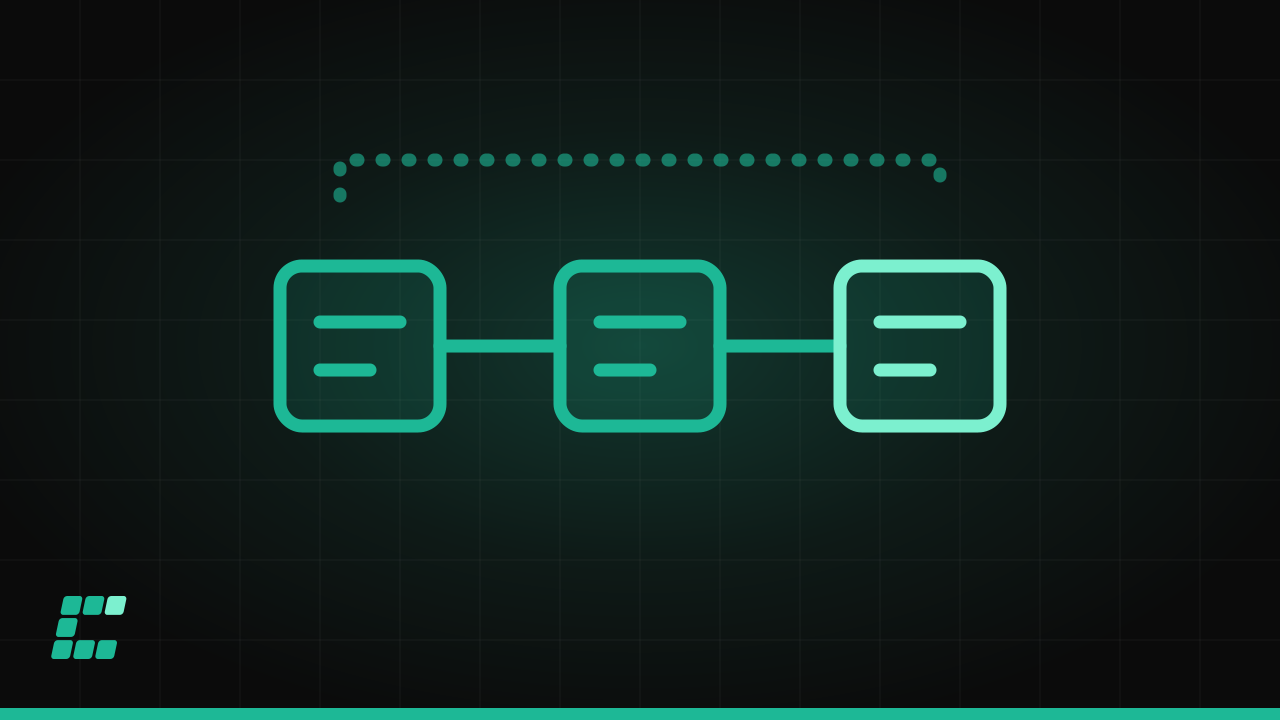
Chain abstraction is the idea that using crypto should not require you to know or care which blockchain sits underneath. Instead of switching networks, bridging tokens and holding the right gas coin on each chain, you take one action and the system works out where it happens. LayerZero describes it as a design goal rather than a single product.
What is chain abstraction in blockchain, and what problem does it solve?
There are now many separate blockchains and layer 2 networks, and each has its own addresses, balances and fee token. That creates everyday friction. A deposit sent on the wrong network may never arrive, and a wallet that holds a token but not the chain's gas coin cannot move it.
In an August 2024 discussion on The Block, a developer at Particle Network said the term is still debated, but generally means removing the complexity of using many chains so crypto apps feel more like ordinary web apps. Today, moving value between chains usually means using a bridge yourself, as explained in how to bridge crypto. Chain abstraction tries to hide that step.
How does chain abstraction work?
LayerZero breaks the idea into a few layers:
- Identity. One account controls addresses on several chains, so you do not manage separate keys per network.
- Balance. A single figure shows what you hold across all of them.
- Routing and fees. The system picks where an action runs and covers the destination fee, ideally using an asset you already hold.
- Messaging. Underneath, a cross-chain messaging system verifies and delivers instructions between chains.
Many designs also rely on intents, where you state the result you want and outside parties called solvers compete to deliver it. The guide to intents in crypto explains how solvers work. LayerZero adds that for any of this to work, assets must be the same on every chain, instructions must be verifiable and failed steps must be recoverable.
How does NEAR chain abstraction work?
NEAR's documentation defines chain abstraction as a set of tools that let apps work across multiple blockchains while hiding the complexity from users and developers. It has three main pieces:
- Chain Signatures. A NEAR account, including a smart contract, can sign transactions for other chains. A network of independent nodes produces the signature together using multi-party computation, so no single node can sign alone. NEAR lists Bitcoin, Ethereum, Solana and several other networks among supported chains.
- Intents. A user can ask to swap BTC for ETH at the best price, and solvers handle how it gets done.
- OmniBridge. A bridge that manages native and bridged tokens through one interface.
The NEAR Protocol guide covers the network itself.
What is a chain abstraction example, and how is it different from account abstraction?
NEAR gives the example of an NFT marketplace that lets users buy items from Ethereum, Solana and other chains in one place, without managing separate wallets or cross-chain transfers.
Account abstraction is a narrower idea. It makes a single account programmable, with features such as gas sponsorship and key recovery, usually on one chain. Chain abstraction often builds on smart accounts but aims at the multi-chain problem.
The trade-off is trust. Each layer, from signing networks to bridges and solvers, adds parts that users rely on without seeing them.
This guide explains how things work. It is not financial, legal or tax advice. Last updated .