
What is a private mempool?
A private mempool is a route that sends your transaction straight to block builders instead of the public waiting room, hiding it from front-running bots.
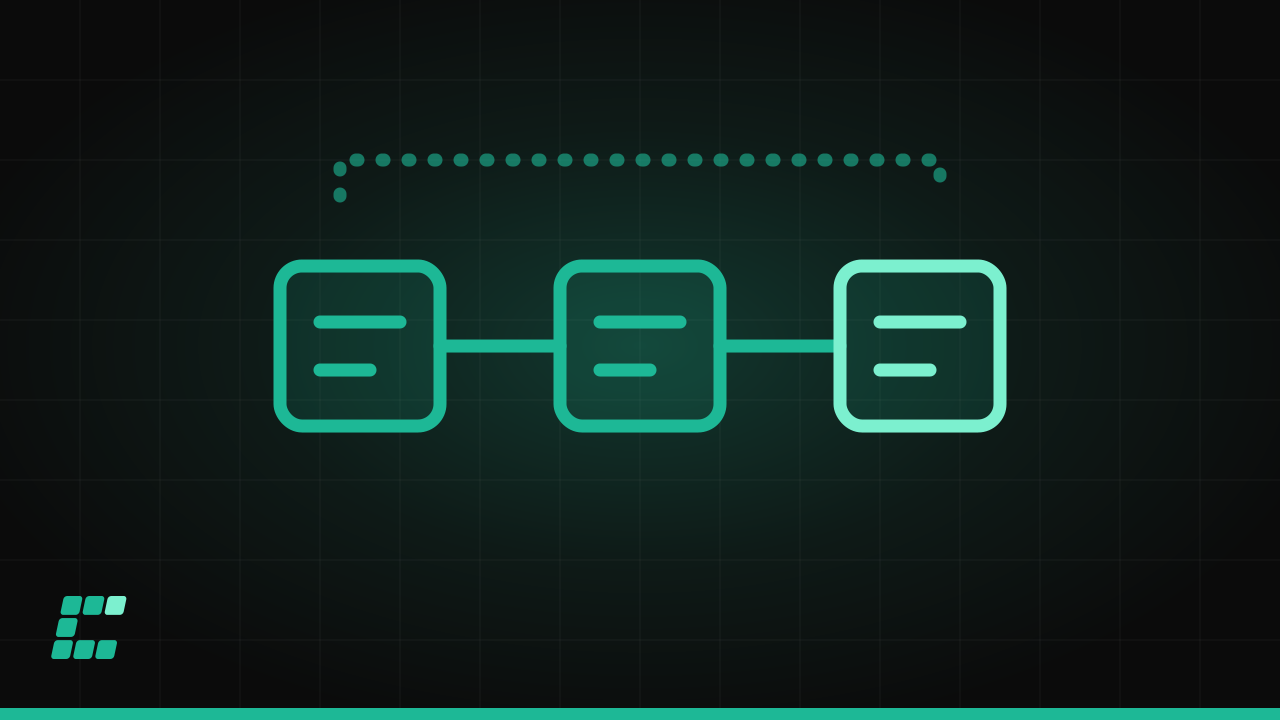
A private mempool is a channel that delivers your transaction to the parties who build blocks without first broadcasting it to everyone on the network. Because bots cannot see the transaction while it waits, they have a much harder time trading ahead of it. You use one by sending transactions through a private RPC endpoint instead of a regular one.
What is the difference between a mempool and a private mempool?
A normal mempool is the set of pending transactions that nodes share with each other before they land in a block. Anyone running a node can watch it, which is useful for transparency but also lets searchers spot a large swap and react to it. Our guide to the bitcoin mempool explains the public version in more detail.
A private mempool skips that public gossip step. The transaction goes to a relay or order flow service, which hands it to selected builders. It only becomes visible once it is included in a block.
How does a private mempool work on Ethereum?
Flashbots Protect is one widely used example. When a wallet sends a raw transaction to its RPC, the service routes it to a private Flashbots mempool rather than the public one, according to the Flashbots documentation. Flashbots says transactions are only included if they do not revert, so users are not charged for failed ones. Its GitHub readme adds that private transactions do not show up on block explorers until they are mined.
Flashbots also runs MEV-Share. If your transaction creates MEV, such as a backrun opportunity after a big DEX trade, part of that value can be refunded to you. You choose how many "hints" about the transaction to reveal. More hints can mean bigger refunds, while fewer hints give more privacy.
MEV Blocker, another private RPC, runs an auction among searchers and builders and passes backrun rebates back to users. Its docs say all features are supported on Ethereum only and that its data is made public after a 30 second delay.
What does a private transaction RPC protect against?
The main threat is the sandwich attack, where a bot buys just before your swap and sells just after it. If the bot never sees your swap in a public pool, it cannot set up that trade. Private routing does not lower the network's base fee, and it does mean you trust the operator not to misuse what it sees.
Is there a private mempool on Solana?
Solana's core design has no mempool in the Ethereum sense. A mempool feature existed inside Jito's block engine, but Jito Labs shut it down on March 8, 2024, after it was used for sandwich attacks, CoinDesk reported. Jito said rejecting sandwich bundles had turned into a cat and mouse game with searchers.
This guide explains how things work. It is not financial, legal or tax advice. Last updated .