
What is an RPC in crypto and how does it work?
An RPC in crypto is the connection a wallet or app uses to ask a blockchain node for data and to send transactions, reached through an RPC URL or endpoint.
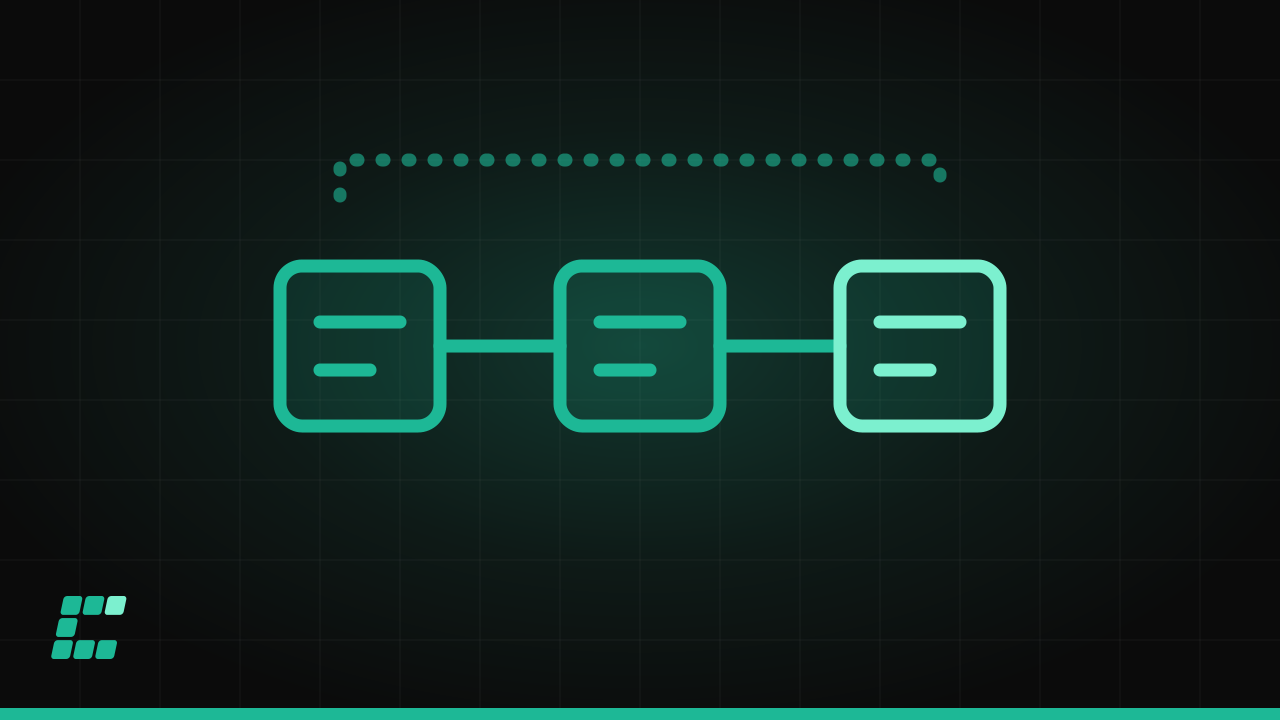
RPC in crypto means remote procedure call, the method a wallet or app uses to ask a blockchain node questions and hand it transactions. When your wallet shows a balance or sends a payment, it is making RPC requests to a node behind the scenes. On Ethereum and similar networks, these requests follow a standard called JSON-RPC.
What is an RPC URL or RPC endpoint?
An RPC URL, also called an RPC endpoint, is the address your wallet sends requests to. It points to a node that answers in a shared format. Ethereum.org describes JSON-RPC as a stateless, lightweight protocol that every Ethereum execution client implements, so apps can use the same methods whichever node they connect to.
Typical requests include:
- eth_getBalance, which returns an address's balance at a given block.
- eth_blockNumber, which returns the latest block number.
- eth_sendRawTransaction, which submits a transaction your wallet already signed.
Signing happens in the wallet. The node only receives the finished transaction.
What is an RPC node?
An RPC node is any node that accepts these requests from outside. If you run your own node, the endpoint is usually on your own machine. Ethereum.org notes that most clients serve JSON-RPC at localhost port 8545 by default.
Most people and many apps use node providers instead. Ethereum.org's nodes-as-a-service page explains that these companies run node software and give developers an API key and RPC or WebSocket endpoints. As of November 2026, many offer free tiers capped by requests or compute units. The trade-off, ethereum.org notes, is centralization around a few third parties.
How do you add a custom RPC in MetaMask?
MetaMask lets you add a network or swap the RPC for an existing one. As of November 2026, its help center gives these steps:
- Open the All networks dropdown on the Tokens tab and choose Manage networks.
- Select Add a custom network, enter the details and save.
- To change an existing network's RPC, open its edit menu, choose Add RPC URL under Default RPC URL, and save.
MetaMask says it does not verify custom networks. It suggests checking the chain ID and name on Chainlist and researching the project, since a network suggested by a website could be misrepresented. MetaMask also says a malicious network provider can lie about the state of the chain, withhold transactions, and record your activity and IP address. Adding a custom RPC to some built-in networks also turns off MetaMask's Smart Transactions protection.
What causes an RPC error?
RPC errors appear when the wallet cannot get a usable answer from the endpoint. MetaMask's error guide says an Internal JSON-RPC error usually happens on a sidechain or custom network. It suggests checking that the network was added correctly, that you hold enough native token for gas, and that MetaMask is updated. Missing or wrong chain ID errors usually come from a manually added network. Free provider endpoints also have usage caps, so heavy use can run into those limits. For fee-related failures, see insufficient funds for gas and why did my crypto transaction fail.
This guide explains how things work. It is not financial, legal or tax advice. Last updated .