
What is an epoch in crypto?
An epoch in crypto is a fixed block of time a blockchain uses to organize validators, staking and rewards. Its length differs on Ethereum, Solana and Cardano.
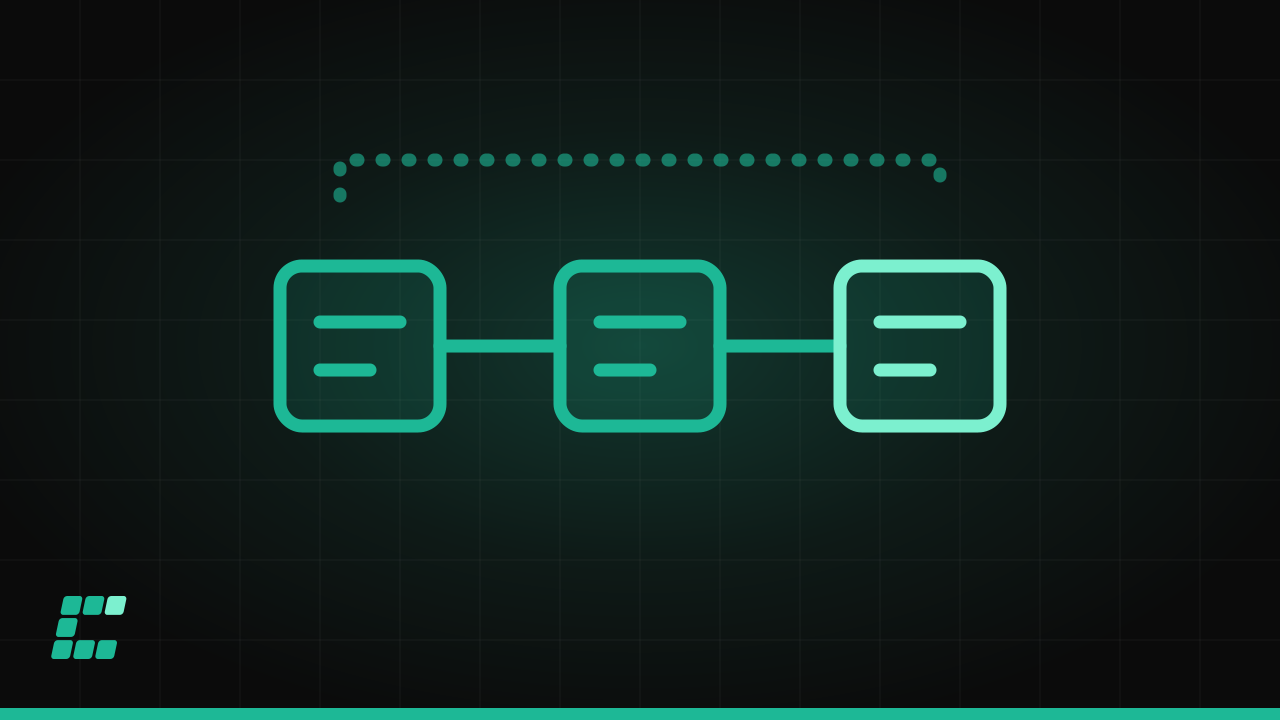
An epoch in crypto is a fixed period of time that a blockchain uses as a scheduling unit. Most proof-of-stake networks split time into short slots, where one block can be produced, and group many slots into an epoch. The epoch is when the network reshuffles validator duties, checks progress toward finality and works out staking rewards.
What does epoch mean in crypto?
The word comes from the idea of a distinct era. In blockchain terms it is a repeating cycle with a set length. Within each epoch, the protocol knows which validators are active and how much stake each controls, so it can assign jobs fairly. Because the rules only change at the boundary, everyone on the network shares the same view of who should be doing what. If you are new to these roles, start with what a validator is.
How long is an Ethereum epoch?
According to ethereum.org, time on proof-of-stake Ethereum is divided into slots of 12 seconds and epochs of 32 slots, which works out to 6.4 minutes per epoch. In every slot a committee of validators is chosen at random to vote on the block. Committees are arranged so that every active validator votes once per epoch.
The first block of each epoch is a checkpoint. When two thirds of staked ETH vote for a pair of checkpoints, the newer one becomes justified and the older one becomes finalized. Ethereum.org adds that if the chain goes more than four epochs without finalizing, an inactivity leak starts draining stake from offline validators. Read more in what finality in blockchain is.
How long is a Solana epoch?
On Solana, slots are set at about 400 milliseconds, and Helius notes there are around 432,000 slots per epoch. That works out to roughly two days. The validator set and a stake-weighted leader schedule are fixed at the start of each epoch, and at the end of the epoch the network calculates inflation and distributes rewards to eligible stakers. Our guide on how staking Solana works covers the practical side.
How long is a Cardano epoch, and how do epochs affect staking?
Cardano.org says a Cardano epoch lasts five days. The stake distribution is fixed for the epoch, and rewards earned in one epoch are paid out two epochs later, which gives the network time to calculate them.
Across networks, the same pattern applies to staking. Changes such as delegating, adding stake or unstaking are often processed at an epoch boundary, so they may not take effect the moment you click a button. That is one reason unstaking can take time. Exact lengths and rules can change through upgrades, so check each network's documentation as of November 2026.
This guide explains how things work. It is not financial, legal or tax advice. Last updated .