
What is Solana Alpenglow?
Solana Alpenglow is a new consensus protocol that went live on mainnet on October 21, 2026, cutting target finality from about 12.8 seconds to 150 ms.
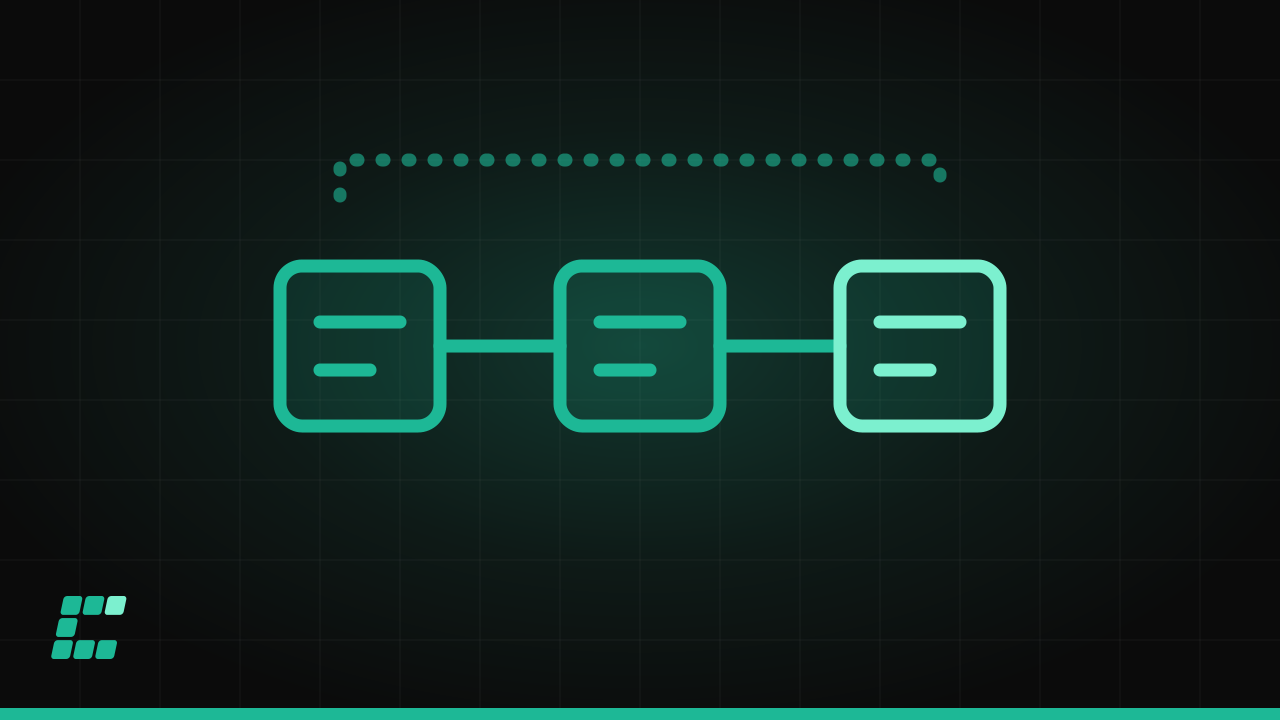
Solana Alpenglow is the biggest change to how Solana's validators agree on the state of the chain since the network launched. It was developed by Anza, a core engineering firm, and its job is to make transactions final, meaning they can no longer be reversed, in a fraction of a second. How the network works in general is covered in what is Solana.
What does the Alpenglow upgrade change?
Alpenglow is a consensus mechanism, the method validators use to agree on which blocks count. It replaces TowerBFT, which Solana's upgrade page says took about 12.8 seconds to reach finality. Alpenglow targets roughly 150 milliseconds.
The page says it tolerates up to 20% of stake acting maliciously plus another 20% being offline. Programs, transactions and fees are unchanged. One notable shift is that proof of history no longer paces block production. Votor's timeouts and certificates do that instead.
Finality is not the same as block time. Solana separately cut its slot time from 400 to 200 milliseconds in four steps between August and October 2026. NewsBTC also noted that quicker finality does not by itself mean more transactions per second, and that wallets and apps add their own delays.
How do Votor and Rotor work?
Votor is the voting half. Under TowerBFT, votes were ordinary on-chain transactions. Under Votor, validators send votes directly to each other and combine them into certificates. If at least 80% of stake votes for a block, it is final in one round. Otherwise, a second round with 60% thresholds finishes the job.
Rotor is the data half. It will replace Turbine, the system that spreads new blocks across the network, with a single relay layer. As of November 2026, Solana's page lists Rotor as not yet scheduled.
When was the Alpenglow release date?
The timeline ran as follows:
- May 2025: Anza announced the design.
- Early September 2025: Validators approved it in a governance vote, with over 98% in favor and 52% of stake taking part, according to Cryptonews Australia and Blockworks.
- September 25, 2026: Activated on devnet.
- October 21, 2026: Activated on mainnet at the start of epoch 1064, with Alpenglow taking over from slot 459,653,000.
Solana's page says the switch-over needed votes from 446 of the network's 654 validators.
What does Alpenglow mean for validators?
The cost model changed. Under TowerBFT, voting cost about 1 SOL per epoch in fees. Under Alpenglow, votes are not transactions, so those fees are gone. Instead, each voting validator pays a Validator Admission Ticket of 0.8 SOL per epoch from its vote account, one epoch in advance. The fee is burned, and a validator that does not pay sits out the next epoch and earns nothing for it.
For the migration, validators had to run version 4.3.2 of Agave, Jito-Solana or Harmonic Salsa. Firedancer, explained in what is Firedancer, was not supported for the switch itself, but Solana's changelog said it later took part in Alpenglow consensus. The steps to run one are in how do you become a Solana validator.
This guide explains how things work. It is not financial, legal or tax advice. Last updated .